New · Your YouTube channel's AI studio

Create the thumbnail
that stops the scroll.
Prepare what comes next.

From a video or a reference, VidiaFlow creates your thumbnail, titles, summary, article, scripts and posts — then keeps your work organised for the next publication.

5 videos per month · no card · your URL stays with you after signup

Models by taskClaude Sonnet 5GPT-5.6 · Luna + TerraGemini 3.1 · Nano Banana 2

VidiaFlow selects the model that fits the format and your preferences.

AI thumbnails

Steal the style. Keep your face.

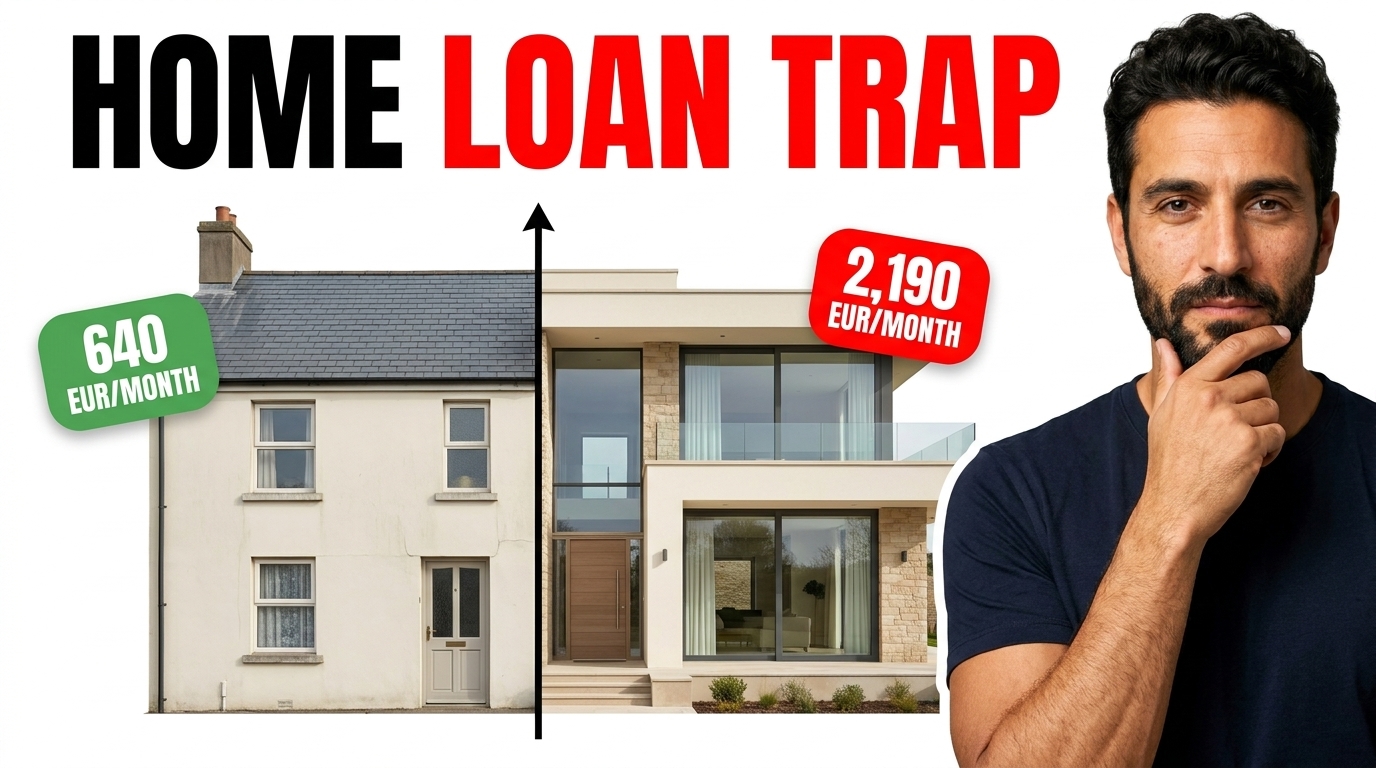
Start from a thumbnail that already works: the AI decodes its recipe — layout, type, lighting — and replays it for your channel, with you in it.

Inspiration thumbnail — Documentary styleDocumentary
Generated thumbnail in the Documentary styleGenerated
Inspiration thumbnail — Finance styleFinance
Generated thumbnail in the Finance styleGenerated
Inspiration thumbnail — Tech / AI styleTech / AI
Generated thumbnail in the Tech / AI styleGenerated
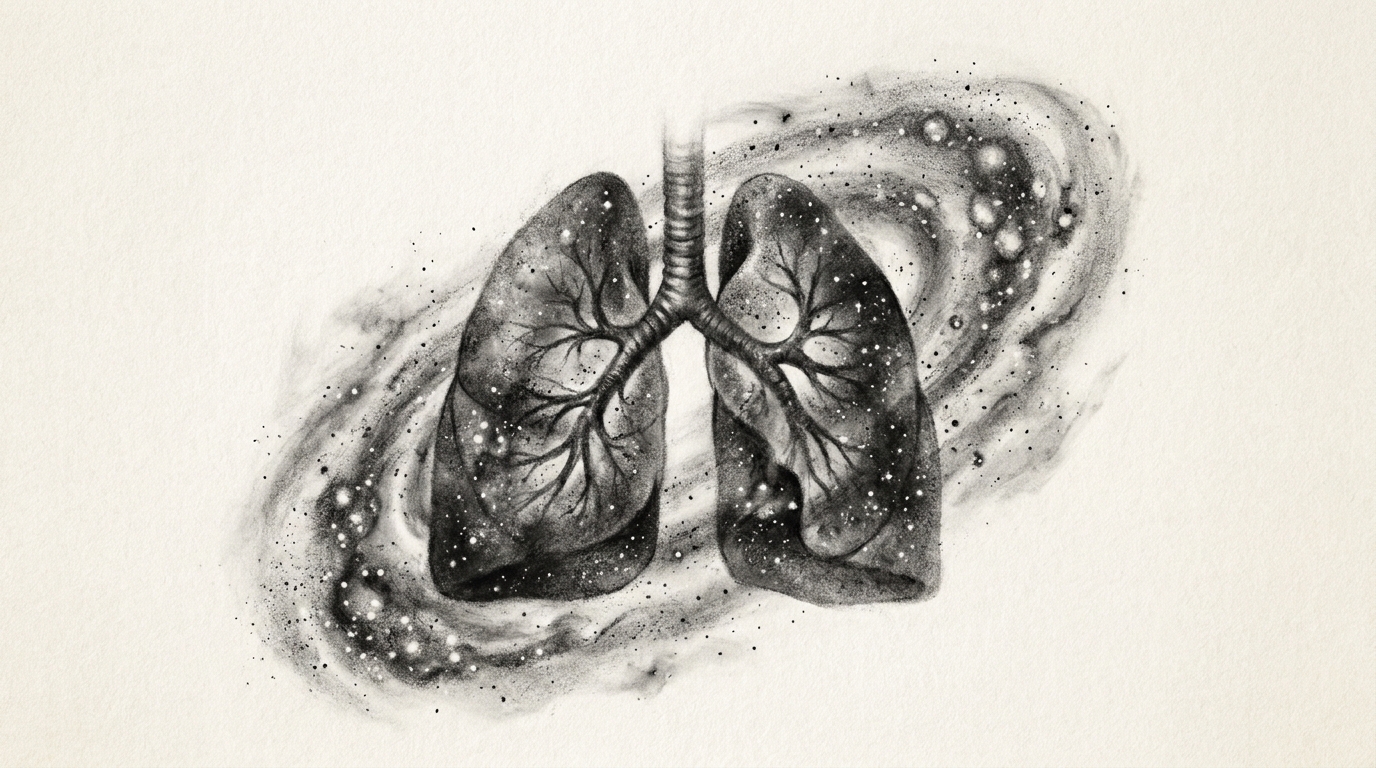
Inspiration thumbnail — Artistic styleArtistic
Generated thumbnail in the Artistic styleGenerated

Their style. Your face. One thumbnail in 30 seconds.

Inspirations

The world's best thumbnails

Draw from thousands of references from elite creators to generate your own.

Early access · direct feedback
Made in ParisEU-hosted data · GDPR9-language native outputHuman support
From click to publication

You've already done the hardest part: making the video.

VidiaFlow turns that work into a publication-ready kit: a thumbnail that catches the eye, titles to test, and content that extends your video's reach.

  1. Add your video or start from a reference

    Paste a YouTube URL or choose an inspiration from the library.

  2. Generate your publishing kit

    Thumbnail, titles, summary, article, scripts, posts and SEO stay together around the same video.

  3. Find it again and adapt it for the next one

    Return to your history, keep your favourites and start from what already exists.

§ 01 — Features

A content kit
around every video.

Summaries, articles, scripts, posts, titles and SEO stay together in one place.

Consistent thumbnails

Start from a real reference, add your photos, and compare several variants before choosing.

01

A kit around every video

Summaries, articles, scripts, posts, titles and SEO stay grouped in one place.

02

A reusable library

Find your videos, favourites and inspirations without starting again from a blank page.

03

SEO ready to publish

Prepare several titles, a structured description, tags and chapters to review before publishing.

04

Multilingual content

Adapt your outputs to the supported languages without rebuilding your entire workflow.

05

Compliance and control

Spot useful advertising disclosures and keep the final decision before publishing.

06
Real analysis

A real video. A complete kit. No mockup.

Here is what VidiaFlow actually generated from a public video: summary, article, chapters, titles, description and tags.

  • Analyse today
  • A kit ready to review
  • Everything stays in your library
America Has Finally Built a Beautiful Airport
Source video
America Has Finally Built a Beautiful Airport
The B1M · 2.6M views · 12 min
Summary

Portland International Airport is becoming an American showcase for mass timber, biophilic design and earthquake-ready engineering.

Read the full summary

Concise title

Portland International Airport is becoming an American showcase for mass timber, biophilic design and earthquake-ready engineering.

Executive summary

Portland International Airport (PDX), in Oregon, has completed the first phase of a modernization costing more than $2 billion—the largest public-works project in the state. The new terminal aims to move beyond the functional but unremarkable image of many American airports by drawing directly on Pacific Northwest forests. Its vast local mass-timber roof, thousands of plants and natural light create a calmer, more distinctive passenger experience. The build also presented a major logistics challenge: the airport stayed open, handling roughly 500 daily flights throughout the work.

Key points

  • The original 1956 terminal had grown into 11 buildings with inconsistent structures and seismic codes, making change increasingly difficult.
  • The renovation is intended to expand PDX substantially, with a target of up to 35 million passengers a year by 2045.
  • The new roof covers almost nine acres and uses 600,000 board feet of Douglas fir from 11 forests within 300 miles of the airport.
  • It took six years to organize the timber supply chain, prioritizing local materials and expertise.
  • The biophilic approach includes more than 5,000 plants, mature trees and 49 skylights to bring Oregon’s natural environment into the terminal.
  • The roof was prefabricated in three giant sections—some weighing more than 600 tonnes—and moved at night across 1.6 km of an operating airport.
  • In an active seismic region, the terminal uses friction-pendulum isolators that allow the roof to move as much as 56 cm during a major earthquake.

Takeaway

PDX shows that an airport can be welcoming, rooted in its territory and designed to reduce environmental impact without compromising technical constraints. Its second phase, expected in late 2025, adds shops, restaurants and waiting areas while completing the transformation.

Audience

This video is for architecture, engineering and major-infrastructure enthusiasts, as well as travelers curious about the future of airports. It is particularly relevant to professionals and students interested in sustainable construction, mass timber and seismic design.

Article

Portland International Airport: how PDX became the new face of American airports

An airport can be efficient without being memorable. It can move millions of passengers, multiply security checks and line up boarding gates without ever making anyone want to spend one extra minute there. Portland International Airport—better known as PDX—takes the opposite approach.

Read the full article

An airport can be efficient without being memorable. It can move millions of passengers, multiply security checks and line up boarding gates without ever making anyone want to spend one extra minute there. Portland International Airport—better known as PDX—takes the opposite approach.

With its vast timber ceiling, thousands of plants and natural light, Portland’s new airport is not only trying to make travel flow better. It wants passengers to feel Oregon from their first minutes inside. The result feels less like a conventional terminal than a walk beneath a canopy, combining biophilic design, seismic engineering and an extraordinary construction project.

This transformation is far more than a cosmetic renovation. PDX has become a case study for American airports: a place that can be beautiful, local, resilient and designed around travelers.

A Portland airport held back by its own history

Portland International Airport was not a bad airport. It was even one of the better-regarded American airports for accessibility and for being less stressful than major national hubs. But its main terminal dated from 1956, and nearly seventy years of additions had made each new evolution more difficult.

Over time, the site spread across eleven separate buildings. Each part followed different structural and seismic standards. Modernizing security, enlarging spaces or changing passenger flows had become a technical puzzle.

The modernization, estimated at more than $2 billion, therefore had to solve several problems at once:

  • replace aging infrastructure;
  • increase airport capacity;
  • improve passenger journeys;
  • keep air operations running during the work;
  • create an identifiable terminal rooted in Portland and Oregon.

Local timber at the center of PDX’s new terminal

The first striking image inside the new terminal is its ceiling. A huge timber lattice covers roughly nine acres—more than 36,000 m². It gives the building unusual depth and turns a check-in area into something close to a landscape.

That monumental ceiling uses nearly 600,000 board feet of Douglas fir, an emblematic Pacific Northwest species. The material came from eleven forests within about 300 miles of the airport.

The local choice was not incidental. It took around six years to build a supply chain able to provide the necessary timber. At a time when major projects often source the cheapest material from the other side of the world, Portland prioritized a regional resource and the know-how around it.

Building a terminal without closing the airport

The project’s beauty conceals a much harder reality: PDX remained open throughout construction. The airport had to keep handling about 500 flights a day while much of its terminal was demolished, rebuilt and reorganized.

The roof presented an even more spectacular challenge. Rather than build it entirely above an active terminal, teams prefabricated it on part of the airfield converted into a work zone. The structure was assembled in three giant sections made of 18 elements.

Each element weighed between 270,000 and 635,000 kilograms. The largest measured more than 40 by 60 metres. The sections then moved about a mile at around 1 mph, limiting disruption to the terminal and protecting timber from bad weather.

A giant roof designed for earthquakes

PDX’s new roof was designed to move in a controlled way. It sits on Y-shaped columns with friction-pendulum isolators. Those devices allow the structure to shift in an earthquake while absorbing part of the forces; the roof can move by up to roughly 56 centimetres.

PDX achieves an unusual balance: architecture that looks light, yet an infrastructure designed to absorb extreme constraints.

PDX: a model for a new generation of American airports?

Its terminal combines a large timber structure, abundant planting, carefully integrated daylight and earthquake-ready engineering. More importantly, it proves that an ambitious renovation can happen on a living site without shutting the airport down.

PDX will not solve delays, security checks or the unpredictability of air travel. But it makes waiting less painful and offers an intriguing direction for airport architecture: more local, more human and more sustainable places.

Chapters
  • 00:00The world’s most impressive airports
  • 00:24Why America falls behind
  • 00:44Portland’s new airport
See all chapters
  • 00:00The world’s most impressive airports
  • 00:24Why America falls behind
  • 00:44Portland’s new airport
  • 01:20A terminal finally modernized
  • 02:22$2 billion to rebuild it all
  • 02:55The forest-inspired design
  • 03:35Local timber and sustainable construction
  • 04:41A calm, light-filled terminal
  • 05:40Renovating while operations continue
  • 06:04Moving the giant roof
  • 07:48Protecting timber from moisture
  • 08:22Earthquakes: the roof moves with them
  • 10:07A stunning, resilient project
  • 10:25The iconic carpet returns
  • 10:56Phase 2: even bigger

Paste your YouTube link to start with your own video.

Try it with my video
SEO ready

Titles, description and tags — ready to review before publishing

The same video, prepared with several titles, a structured description, tags and concrete recommendations to review.

America Has Finally Built a Beautiful Airport
Source
America Has Finally Built a Beautiful Airport
The B1M · 2.6M views
Title variants
Title variants
  1. PDX: Is this America’s most beautiful new timber airport?
  2. Portland is building a beautiful timber airport (PDX Next)
  3. Why Portland Airport has finally joined the world’s best
  4. PDX cost $2 billion: the terminal that changes everything
  5. A forest airport in Portland: design, mass timber and light
Description
Description

Portland International (PDX): a beautiful new mass-timber airport. A $2 billion project: sustainable design, natural light and an indoor forest. Portland International Airport’s new terminal has opened, and it is shaping up to be one of America’s most beautiful airports—perhaps one of the world’s. After decades of constraints from multiple buildings, different seismic codes and limited flexibility, more than $2 billion was invested to modernize the site. This video explores why PDX has become a symbol of sustainable construction: mass timber and local sourcing, a Pacific Northwest-inspired design, and a passenger experience intended to feel fluid, bright and rooted in the city. It shows how the team turned the airport into an immersive journey with vegetation, natural light, a Forest Park atmosphere and a strong architectural identity. It also covers the scale of the work: one of Oregon’s largest public-infrastructure projects, with a timber-focused logistics and supply chain. 📌 Links & sources Full story: https://www.theb1m.com/video/america-has-finally-built-a-beautiful-airport Sources: - https://www.designboom.com/architecture/zgf-pdx-portland-airport-main-terminal-mass-timber-oregon-08-14-2024/ - https://www.orartswatch.org/pdx-airports-2-billion-reinvention-takes-flight/ - https://www.pdxnext.com/Stories/Details/main-terminal-opening-may-2024 💡 Sponsor (Brilliant) Try Brilliant free for 30 days: https://brilliant.org/TheB1M/ (and get 20% off an annual subscription) #construction #architecture #portland #oregon #airport #mass timber #sustainability #design #PDX #engineering > Note: this video contains a paid promotion for Brilliant.

Tags
Tags
#portland airport#PDX airport#Portland International Airport#new airport terminal#mass timber#timber architecture#airport design#sustainable construction#airport renovation#2 billion airport#ZGF Architects#construction engineering#Pacific Northwest architecture#Oregon construction#airport modernization#interior forest design#natural light architecture#public works project
See recommendations
Recommendations
  1. Add timestamps to the description (for example: “00:00 Why the US falls behind,” “02:10 The PDX Next project,” “05:30 Mass timber and sustainability,” “08:00 Passenger experience”) to improve retention and quick comprehension.
  2. Strengthen keywords in the first pinned comment: repeat “PDX / Portland International / mass timber / $2 billion” and ask a question such as “Would you prefer a forest airport or an ultra-minimalist one?” to encourage engagement.
  3. Optimize the thumbnail around one distinctive idea—“PDX + mass timber + indoor forest.” Short copy such as “PDX NEXT” or “$2B MASS TIMBER” can clarify the promise and support CTR.
§ 02 — Live demo

Try VidiaFlow with
your own video.

Paste the URL now. After creating your free account, VidiaFlow picks up exactly where you stopped.

Example

No card · 5 videos per month · your URL stays with you after signup

# How to double your YouTube CTR CTR (click-through rate) is the single most…
§ 04 — Simple pricing

Choose your rhythm,
not a list of credits.

13 cents a thumbnail.

Up to 706 AI thumbnails/month — on par with dedicated thumbnail tools, plus the entire VidiaFlow toolkit.

Your publishing rhythm

Choose the profile closest to your workflow.

For a weekly publishing rhythm, Pro covers the starting volume. Studio remains the most popular plan if your volume grows.

Free

Try it out
Free
VAT included where applicable
5 videos / month
Plan details
  • 5 AI thumbnails (with watermark)
  • Full transcript
  • Basic summary
  • Auto chapters
Get started

Pro

For serious creators
$18/ month
16% off vs monthly
VAT included where applicable
45 videos / month
Plan details
  • Pro summaries + articles
  • Social posts
  • 150 AI thumbnails
  • Advanced SEO
  • Influencer-law compliance
Choose Pro
⭐ Most popular

Studio

Most popular
$43/ month
20% off vs monthly
VAT included where applicable
118 videos / month
Plan details
  • Everything in Pro
  • 388 AI thumbnails / month
  • Creator + editor workflow
  • Priority support
Choose Studio

Agency

Multi-channel studios
$79/ month
20% off vs monthly
VAT included where applicable
216 videos / month
Plan details
  • Everything in Studio
  • 706 AI thumbnails
  • Priority support
  • Dedicated workspace
Choose Agency

Already comparing tools?

See our transparent comparisons when you need them.

Strengths, limits and use cases stay available after pricing — without interrupting your plan choice.

View comparisons
A product close to its users

Talk directly to the person building VidiaFlow.

Billel Abbas · Founder and builder

VidiaFlow is built and maintained near Paris by Billel Abbas. Feedback from early creators directly informs product priorities, without an intermediary layer.

The thumbnails shown above come from the product. Until we have verified, authorised testimonials, we prefer to show real results rather than invent them.

Human support in French: direct feedback helps shape the product.

Questions and answers

Frequently asked questions

The essentials before you start.

What exactly does VidiaFlow do?
From a YouTube URL or a reference, VidiaFlow brings together the thumbnail, titles, summary, article, scripts, posts and SEO around the same video.
Can I start for free?
Yes. The Free plan includes 5 videos per month, with no card required. Current prices, quotas and options remain displayed in the Pricing section.
Where can I find my outputs?
Your videos, generations, thumbnails, favourites and inspirations remain available in the product libraries, so you can resume existing work.
Is my data hosted in Europe?
Yes. VidiaFlow uses European hosting and applies its GDPR controls. You can delete your content and account from the product.
Which languages are supported?
The interface supports French, English, Spanish, Brazilian Portuguese, German, Japanese, Arabic, Simplified Chinese and Italian.
Does VidiaFlow replace an editing or analytics tool?
No. VidiaFlow focuses on the thumbnail and the content kit around a video. A specialised tool remains better for advanced editing, short-form creation or channel analytics.
5
free videos per month
no card
6
outputs per video
thumbnail, summary, article, script, posts and SEO
9
supported languages
existing local list
EU
data hosted in Europe
GDPR compliant
Your next publication

Your next video deserves
more than an upload.

Create the thumbnail and the kit that goes with it. Find everything in one place when the next publication comes.