 وثائقي
 ✓ تم إنشاؤها
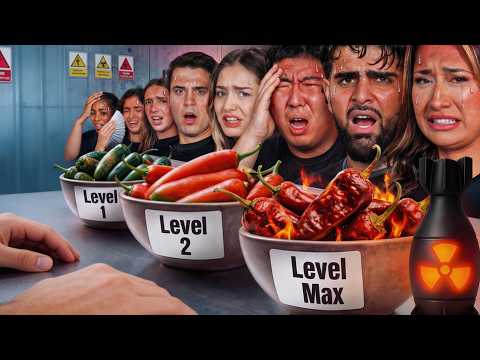
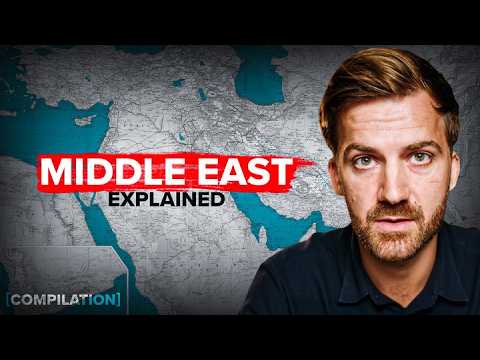
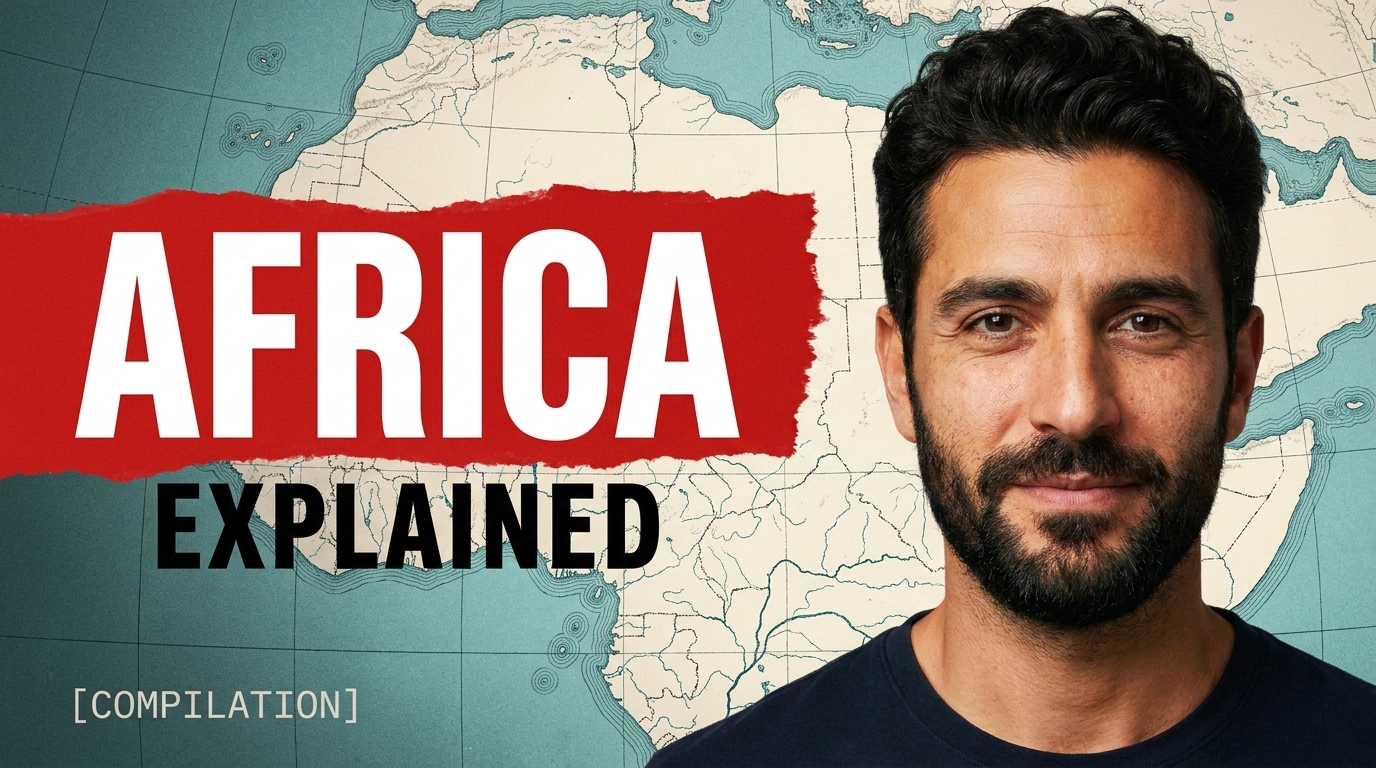
من فيديو أو صورة مرجعية، ينشئ VidiaFlow صورة مصغرة تناسب قناتك ويعدّ المحتوى المرافق لها.
5 فيديوهات شهرياً · من دون بطاقة · يُحتفظ برابطك بعد التسجيل

أسلوبهم. وجهك.
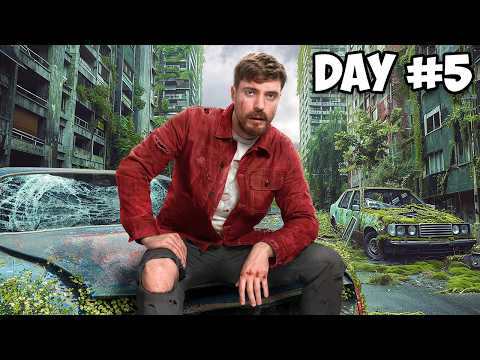
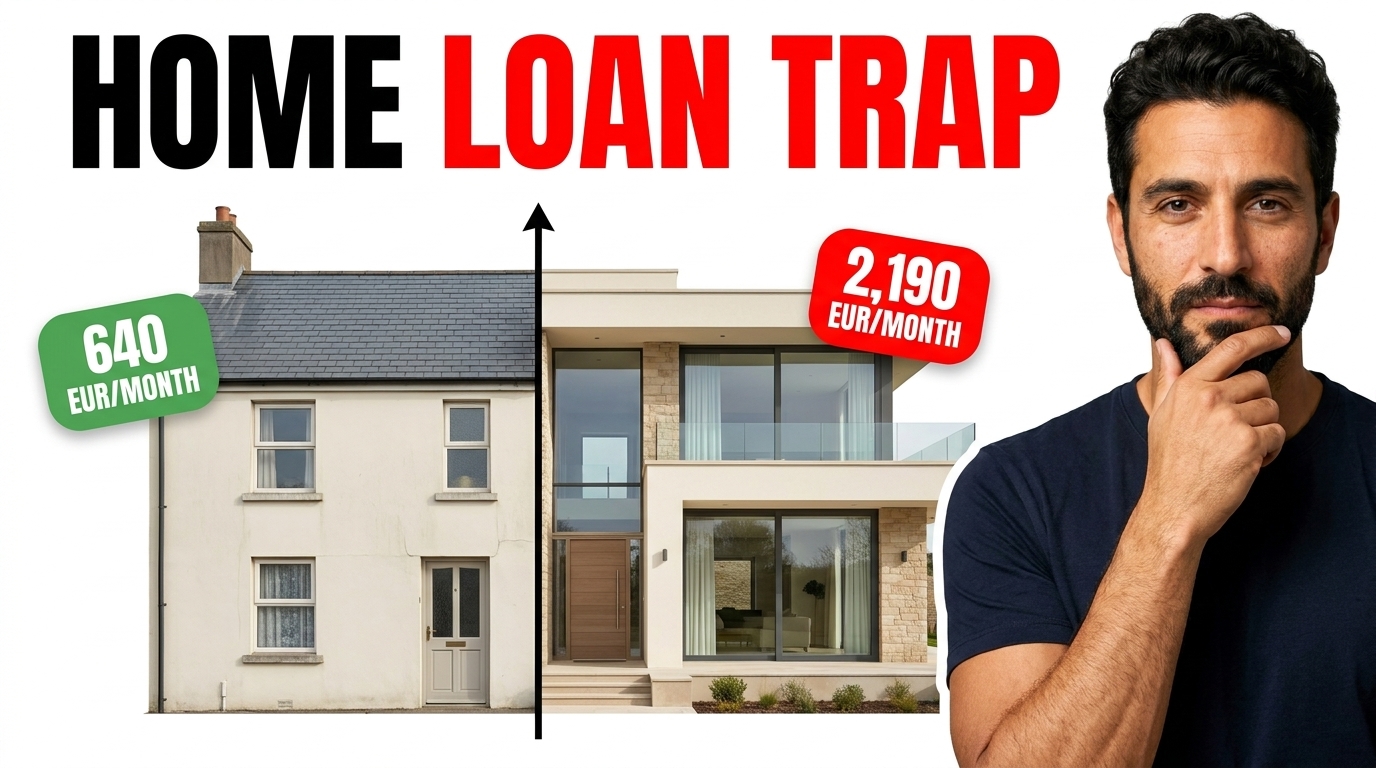
وثائقي✓ تم إنشاؤها مال وأعمال
 ✓ تم إنشاؤها
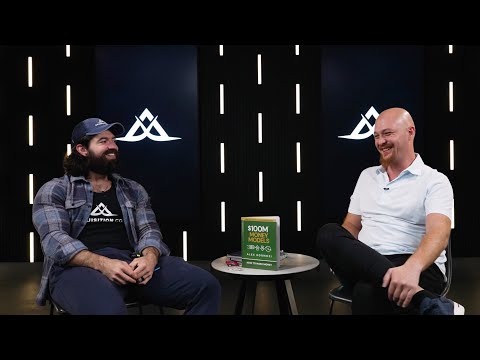
 تقنية / ذكاء اصطناعي
 ✓ تم إنشاؤها
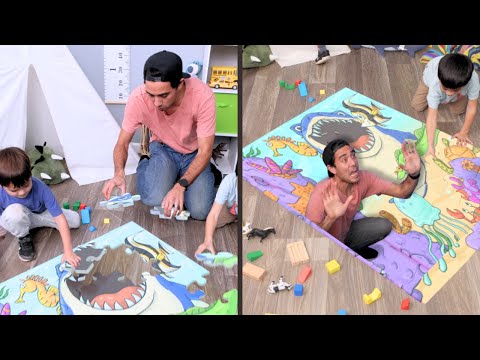
 فني
فني ✓ تم إنشاؤها
استلهم من آلاف المراجع من نخبة المبدعين لإنشاء صورك المصغّرة.
يحوّل VidiaFlow هذا العمل إلى حزمة جاهزة للنشر: صورة مصغّرة تجذب الانتباه، وعناوين للاختبار، ومحتوى يوسّع وصول فيديوك.
ألصق رابط YouTube أو اختر إلهاماً من المكتبة.
تبقى الصورة المصغّرة والعناوين والملخص والمقال والنصوص والمنشورات وSEO مجتمعة حول الفيديو نفسه.
عُد إلى سجلك، واحتفظ بمفضلاتك، وابدأ مما هو موجود بالفعل.
تبقى الصورة المصغّرة والعناوين والملخص والمقال والنصوص والمنشورات وSEO مجتمعة في مكان واحد.
ابدأ من مرجع حقيقي، وأضف صورك، وقارن عدة خيارات قبل أن تختار.
تبقى الملخصات والمقالات والنصوص والمنشورات والعناوين وSEO مجتمعة في مكان واحد.
استرجع فيديوهاتك ومفضلاتك وإلهاماتك من دون أن تبدأ من صفحة فارغة.
حضّر عدة عناوين ووصفاً منظماً ووسوماً وفصولاً لمراجعتها قبل النشر.
كيّف إنتاجاتك مع اللغات المدعومة من دون إعادة بناء سير عملك بالكامل.
اجمع بين العناوين والصور المصغّرة، وتحقق من وضوحها البصري، ثم صدّر حزمة جاهزة لاختبار YouTube الأصلي.
إليك ما أنشأه VidiaFlow فعلياً من فيديو عام: ملخص ومقال وفصول وعناوين ووصف ووسوم.

Portland International Airport is becoming an American showcase for mass timber, biophilic design and earthquake-ready engineering.
Portland International Airport is becoming an American showcase for mass timber, biophilic design and earthquake-ready engineering.
Portland International Airport (PDX), in Oregon, has completed the first phase of a modernization costing more than $2 billion—the largest public-works project in the state. The new terminal aims to move beyond the functional but unremarkable image of many American airports by drawing directly on Pacific Northwest forests. Its vast local mass-timber roof, thousands of plants and natural light create a calmer, more distinctive passenger experience. The build also presented a major logistics challenge: the airport stayed open, handling roughly 500 daily flights throughout the work.
PDX shows that an airport can be welcoming, rooted in its territory and designed to reduce environmental impact without compromising technical constraints. Its second phase, expected in late 2025, adds shops, restaurants and waiting areas while completing the transformation.
This video is for architecture, engineering and major-infrastructure enthusiasts, as well as travelers curious about the future of airports. It is particularly relevant to professionals and students interested in sustainable construction, mass timber and seismic design.
An airport can be efficient without being memorable. It can move millions of passengers, multiply security checks and line up boarding gates without ever making anyone want to spend one extra minute there. Portland International Airport—better known as PDX—takes the opposite approach.
An airport can be efficient without being memorable. It can move millions of passengers, multiply security checks and line up boarding gates without ever making anyone want to spend one extra minute there. Portland International Airport—better known as PDX—takes the opposite approach.
With its vast timber ceiling, thousands of plants and natural light, Portland’s new airport is not only trying to make travel flow better. It wants passengers to feel Oregon from their first minutes inside. The result feels less like a conventional terminal than a walk beneath a canopy, combining biophilic design, seismic engineering and an extraordinary construction project.
This transformation is far more than a cosmetic renovation. PDX has become a case study for American airports: a place that can be beautiful, local, resilient and designed around travelers.
Portland International Airport was not a bad airport. It was even one of the better-regarded American airports for accessibility and for being less stressful than major national hubs. But its main terminal dated from 1956, and nearly seventy years of additions had made each new evolution more difficult.
Over time, the site spread across eleven separate buildings. Each part followed different structural and seismic standards. Modernizing security, enlarging spaces or changing passenger flows had become a technical puzzle.
The modernization, estimated at more than $2 billion, therefore had to solve several problems at once:
The first striking image inside the new terminal is its ceiling. A huge timber lattice covers roughly nine acres—more than 36,000 m². It gives the building unusual depth and turns a check-in area into something close to a landscape.
That monumental ceiling uses nearly 600,000 board feet of Douglas fir, an emblematic Pacific Northwest species. The material came from eleven forests within about 300 miles of the airport.
The local choice was not incidental. It took around six years to build a supply chain able to provide the necessary timber. At a time when major projects often source the cheapest material from the other side of the world, Portland prioritized a regional resource and the know-how around it.
The project’s beauty conceals a much harder reality: PDX remained open throughout construction. The airport had to keep handling about 500 flights a day while much of its terminal was demolished, rebuilt and reorganized.
The roof presented an even more spectacular challenge. Rather than build it entirely above an active terminal, teams prefabricated it on part of the airfield converted into a work zone. The structure was assembled in three giant sections made of 18 elements.
Each element weighed between 270,000 and 635,000 kilograms. The largest measured more than 40 by 60 metres. The sections then moved about a mile at around 1 mph, limiting disruption to the terminal and protecting timber from bad weather.
PDX’s new roof was designed to move in a controlled way. It sits on Y-shaped columns with friction-pendulum isolators. Those devices allow the structure to shift in an earthquake while absorbing part of the forces; the roof can move by up to roughly 56 centimetres.
PDX achieves an unusual balance: architecture that looks light, yet an infrastructure designed to absorb extreme constraints.
Its terminal combines a large timber structure, abundant planting, carefully integrated daylight and earthquake-ready engineering. More importantly, it proves that an ambitious renovation can happen on a living site without shutting the airport down.
PDX will not solve delays, security checks or the unpredictability of air travel. But it makes waiting less painful and offers an intriguing direction for airport architecture: more local, more human and more sustainable places.
الصق رابط YouTube للبدء بفيديوك.
جرّب باستخدام فيديويحضّر ما يصل إلى ثلاث حزم من العنوان والصورة المصغّرة، وقارن تأثيرها البصري، وشغّل اختباراً متزامناً حقيقياً في YouTube Studio.
Packaging Lab
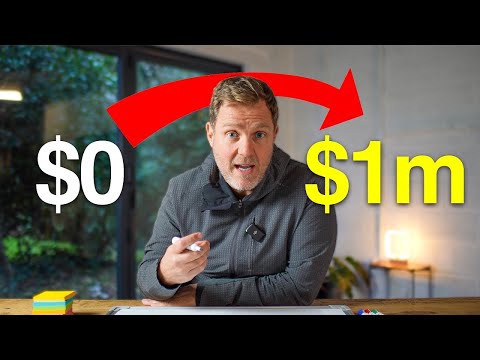
من دولار واحد إلى 100 مليون دولار
 A
Aالعنوان المرتبط
رهان الدولار الواحد
 B
Bالعنوان المرتبط
من دولار واحد إلى 100 مليون دولار
جاهز للاختبار والمقارنة الأصلي في YouTube
ZIP · PNG · TXTألصق الرابط الآن. بعد إنشاء حسابك المجاني، يستأنف VidiaFlow تماماً من حيث توقفت.
من دون بطاقة · 5 فيديوهات شهرياً · يبقى رابطك محفوظاً بعد التسجيل
١٣ سنتاً للمصغّرة.
حتى 706 صورة مصغّرة بالذكاء الاصطناعي شهريًا — بمستوى الأدوات المتخصّصة، مع كامل مجموعة VidiaFlow.
إيقاع النشر لديك
اختر الملف الأقرب إلى سير عملك.
للنشر أسبوعيًا، تغطي خطة Pro الحجم الأولي. تظل Studio الخطة الأكثر شيوعًا إذا زاد حجمك.
هل تقارن الأدوات بالفعل؟
تظل نقاط القوة والحدود وحالات الاستخدام متاحة بعد الأسعار، من دون أن تقاطع اختيار خطتك.
Billel Abbas · المؤسس وباني المنتج
يُبنى VidiaFlow ويُصان في منطقة باريس بواسطة Billel Abbas. تُغذي ملاحظات أوائل المبدعين أولويات المنتج مباشرة من دون طبقة وسيطة.
الصور المصغرة المعروضة أعلاه من المنتج. إلى أن تتوفر شهادات موثقة ومصرح بها، نفضل عرض نتائج حقيقية بدلاً من اختلاقها.
دعم بشري باللغة الفرنسية: ملاحظاتك المباشرة تساعد على تطوير المنتج.
الأساسيات قبل أن تبدأ.
أنشئ الصورة المصغّرة وحزمة المحتوى المرافقة لها. استرجع كل شيء في المكان نفسه عندما يحين موعد المنشور التالي.