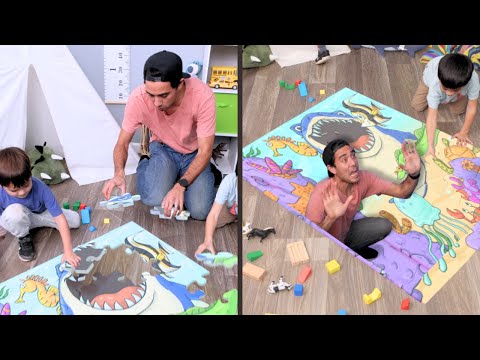
 Doku
Doku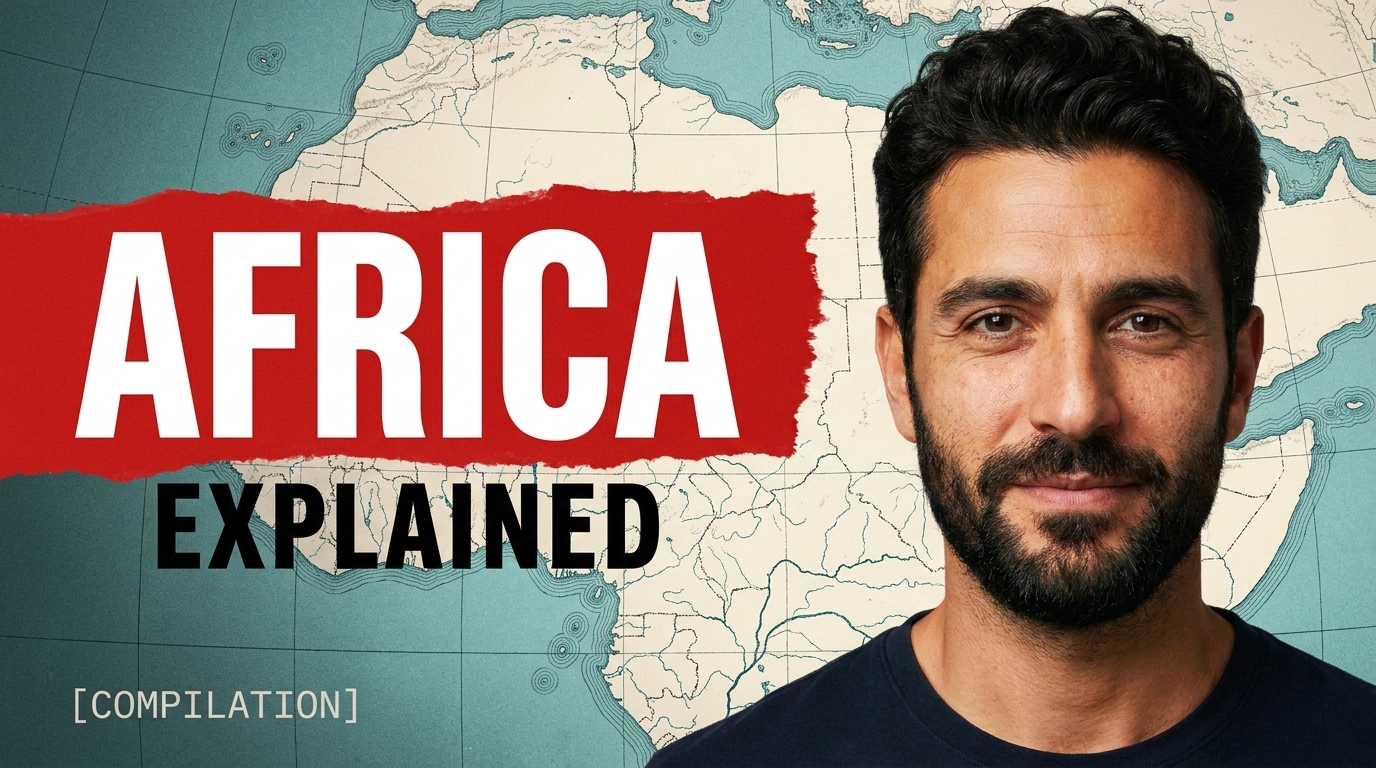 ✓ Generiert
Aus deinem Video oder einer Referenz erstellt VidiaFlow ein Thumbnail, das zu deinem Kanal passt — und bereitet die Inhalte vor, die dazugehören.
5 Videos pro Monat · keine Karte · deine URL bleibt nach der Anmeldung erhalten


Ihr Stil. Dein Gesicht.
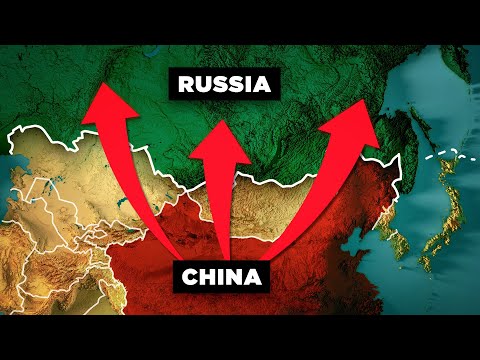
Doku✓ Generiert Finanzen
 ✓ Generiert
 Tech / KI
 ✓ Generiert
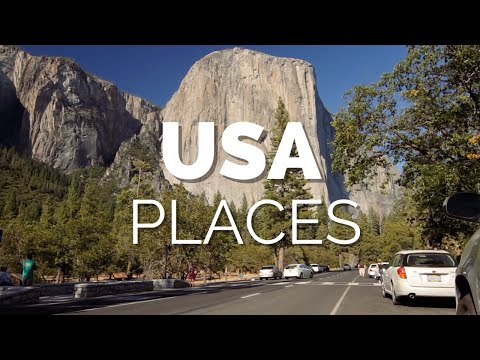
 Künstlerisch
 ✓ Generiert
Schöpfe aus Tausenden Referenzen von Top-Creators, um deine eigenen zu generieren.
VidiaFlow macht daraus ein veröffentlichungsfertiges Kit: ein Thumbnail, das ins Auge fällt, Titel zum Testen und Inhalte, die die Reichweite deines Videos verlängern.
Füge eine YouTube-URL ein oder wähle eine Inspiration aus der Bibliothek.
Thumbnail, Titel, Zusammenfassung, Artikel, Skripte, Posts und SEO bleiben rund um dasselbe Video gebündelt.
Kehre zu deinem Verlauf zurück, behalte deine Favoriten und starte mit dem, was schon da ist.
Thumbnail, Titel, Zusammenfassung, Artikel, Skripte, Posts und SEO bleiben an einem Ort gebündelt.
Starte mit einer echten Referenz, füge deine Fotos hinzu und vergleiche mehrere Varianten, bevor du dich entscheidest.
Zusammenfassungen, Artikel, Skripte, Posts, Titel und SEO bleiben an einem Ort gebündelt.
Finde deine Videos, Favoriten und Inspirationen wieder, ohne bei einer leeren Seite anzufangen.
Bereite mehrere Titel, eine strukturierte Beschreibung, Tags und Kapitel vor, die du vor der Veröffentlichung prüfst.
Passe deine Ergebnisse an die unterstützten Sprachen an, ohne deinen ganzen Workflow neu aufzubauen.
Kombiniere Titel und Thumbnails, prüfe die visuelle Klarheit und exportiere ein Kit für den nativen YouTube-Test.
Das hat VidiaFlow tatsächlich aus einem öffentlichen Video erstellt: Zusammenfassung, Artikel, Kapitel, Titel, Beschreibung und Tags.

Portland International Airport is becoming an American showcase for mass timber, biophilic design and earthquake-ready engineering.
Portland International Airport is becoming an American showcase for mass timber, biophilic design and earthquake-ready engineering.
Portland International Airport (PDX), in Oregon, has completed the first phase of a modernization costing more than $2 billion—the largest public-works project in the state. The new terminal aims to move beyond the functional but unremarkable image of many American airports by drawing directly on Pacific Northwest forests. Its vast local mass-timber roof, thousands of plants and natural light create a calmer, more distinctive passenger experience. The build also presented a major logistics challenge: the airport stayed open, handling roughly 500 daily flights throughout the work.
PDX shows that an airport can be welcoming, rooted in its territory and designed to reduce environmental impact without compromising technical constraints. Its second phase, expected in late 2025, adds shops, restaurants and waiting areas while completing the transformation.
This video is for architecture, engineering and major-infrastructure enthusiasts, as well as travelers curious about the future of airports. It is particularly relevant to professionals and students interested in sustainable construction, mass timber and seismic design.
An airport can be efficient without being memorable. It can move millions of passengers, multiply security checks and line up boarding gates without ever making anyone want to spend one extra minute there. Portland International Airport—better known as PDX—takes the opposite approach.
An airport can be efficient without being memorable. It can move millions of passengers, multiply security checks and line up boarding gates without ever making anyone want to spend one extra minute there. Portland International Airport—better known as PDX—takes the opposite approach.
With its vast timber ceiling, thousands of plants and natural light, Portland’s new airport is not only trying to make travel flow better. It wants passengers to feel Oregon from their first minutes inside. The result feels less like a conventional terminal than a walk beneath a canopy, combining biophilic design, seismic engineering and an extraordinary construction project.
This transformation is far more than a cosmetic renovation. PDX has become a case study for American airports: a place that can be beautiful, local, resilient and designed around travelers.
Portland International Airport was not a bad airport. It was even one of the better-regarded American airports for accessibility and for being less stressful than major national hubs. But its main terminal dated from 1956, and nearly seventy years of additions had made each new evolution more difficult.
Over time, the site spread across eleven separate buildings. Each part followed different structural and seismic standards. Modernizing security, enlarging spaces or changing passenger flows had become a technical puzzle.
The modernization, estimated at more than $2 billion, therefore had to solve several problems at once:
The first striking image inside the new terminal is its ceiling. A huge timber lattice covers roughly nine acres—more than 36,000 m². It gives the building unusual depth and turns a check-in area into something close to a landscape.
That monumental ceiling uses nearly 600,000 board feet of Douglas fir, an emblematic Pacific Northwest species. The material came from eleven forests within about 300 miles of the airport.
The local choice was not incidental. It took around six years to build a supply chain able to provide the necessary timber. At a time when major projects often source the cheapest material from the other side of the world, Portland prioritized a regional resource and the know-how around it.
The project’s beauty conceals a much harder reality: PDX remained open throughout construction. The airport had to keep handling about 500 flights a day while much of its terminal was demolished, rebuilt and reorganized.
The roof presented an even more spectacular challenge. Rather than build it entirely above an active terminal, teams prefabricated it on part of the airfield converted into a work zone. The structure was assembled in three giant sections made of 18 elements.
Each element weighed between 270,000 and 635,000 kilograms. The largest measured more than 40 by 60 metres. The sections then moved about a mile at around 1 mph, limiting disruption to the terminal and protecting timber from bad weather.
PDX’s new roof was designed to move in a controlled way. It sits on Y-shaped columns with friction-pendulum isolators. Those devices allow the structure to shift in an earthquake while absorbing part of the forces; the roof can move by up to roughly 56 centimetres.
PDX achieves an unusual balance: architecture that looks light, yet an infrastructure designed to absorb extreme constraints.
Its terminal combines a large timber structure, abundant planting, carefully integrated daylight and earthquake-ready engineering. More importantly, it proves that an ambitious renovation can happen on a living site without shutting the airport down.
PDX will not solve delays, security checks or the unpredictability of air travel. But it makes waiting less painful and offers an intriguing direction for airport architecture: more local, more human and more sustainable places.
Füge deinen YouTube-Link ein und starte mit deinem eigenen Video.
Mit meinem Video ausprobierenBereite bis zu drei Pakete aus Titel und Thumbnail vor, vergleiche ihre visuelle Wirkung und starte einen echten parallelen Test in YouTube Studio.
Packaging Lab
Von 1 € zu 100 Mio. €
 A
AZugehöriger Titel
Die 1-€-Wette
 B
BZugehöriger Titel
Von 1 € zu 100 Mio. €
Bereit für den nativen Test & Compare von YouTube
ZIP · PNG · TXTFüge die URL jetzt ein. Nach der kostenlosen Kontoerstellung macht VidiaFlow genau dort weiter, wo du aufgehört hast.
Keine Karte · 5 Videos pro Monat · deine URL bleibt nach der Anmeldung erhalten
13 Cent pro Thumbnail.
Bis zu 706 KI-Thumbnails/Monat — auf Augenhöhe mit spezialisierten Tools, plus die gesamte VidiaFlow-Suite.
Dein Veröffentlichungsrhythmus
Wähle das Profil, das deinem Workflow am nächsten kommt.
Für wöchentliche Veröffentlichungen deckt Pro den Startumfang ab. Studio bleibt der beliebteste Tarif, wenn dein Volumen wächst.
Vergleichst du bereits Tools?
Stärken, Grenzen und Anwendungsfälle bleiben nach den Preisen verfügbar, ohne deine Tarifwahl zu unterbrechen.
Billel Abbas · Gründer und Entwickler
VidiaFlow wird im Großraum Paris von Billel Abbas entwickelt und betreut. Rückmeldungen früher Creator fließen ohne Zwischenebene direkt in die Produktprioritäten ein.
Die oben gezeigten Thumbnails stammen aus dem Produkt. Bis wir verifizierte und autorisierte Erfahrungsberichte haben, zeigen wir lieber echte Ergebnisse, als etwas zu erfinden.
Persönlicher Support auf Französisch: Direktes Feedback hilft, das Produkt weiterzuentwickeln.
Das Wichtigste vor dem Start.
Erstelle das Thumbnail und das passende Kit. Finde alles am selben Ort wieder, wenn die nächste Veröffentlichung ansteht.