 Documentario
 ✓ Generata
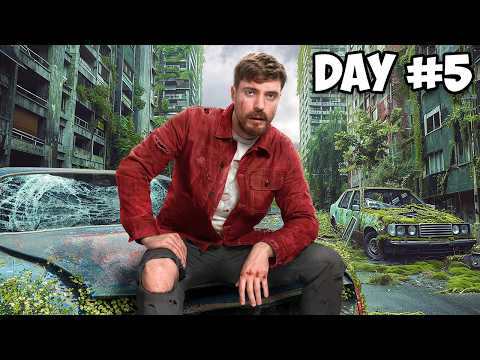
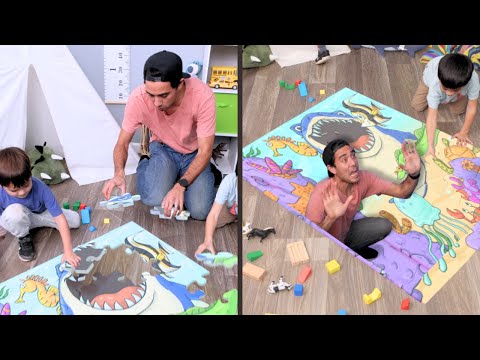
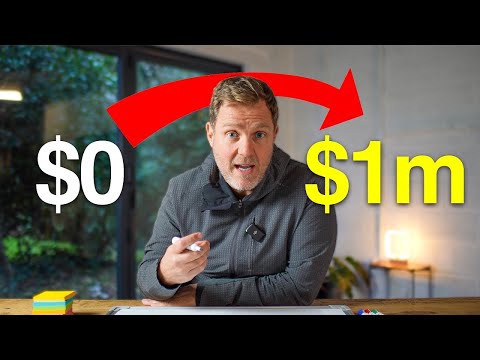
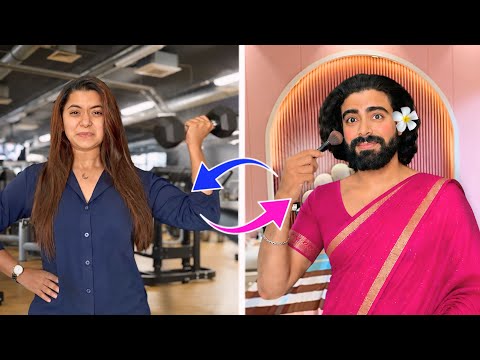
Da un video o da un riferimento, VidiaFlow crea una miniatura in linea con il tuo canale e prepara i contenuti che la accompagnano.
5 video al mese · nessuna carta · il tuo URL resta disponibile dopo l’iscrizione

Il loro stile. La tua faccia.
Documentario✓ Generata Finanza
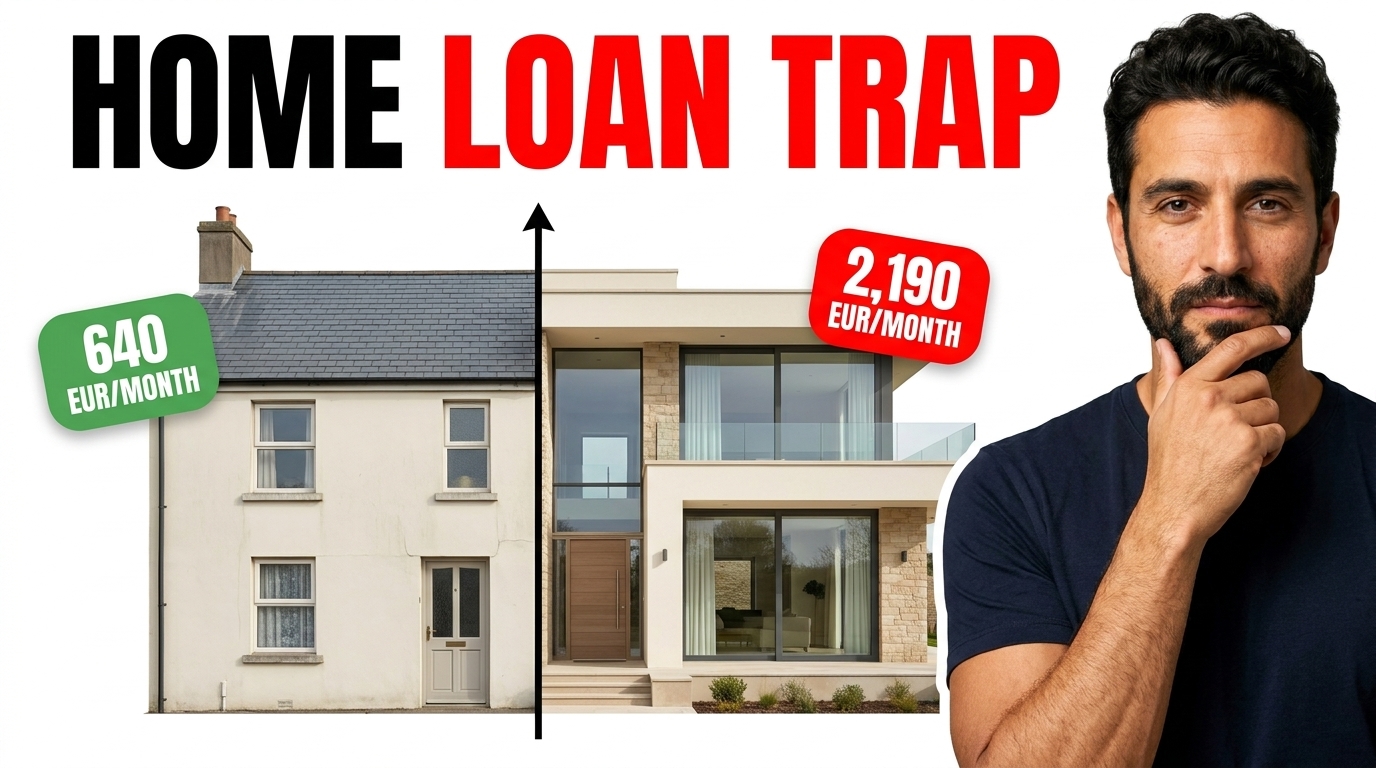 ✓ Generata
 Tech / IA
 ✓ Generata
 Artistica
 ✓ Generata
Attingi a migliaia di riferimenti di creator d'élite per generare le tue.
VidiaFlow trasforma quel lavoro in un kit pronto da pubblicare: una miniatura che attira l'attenzione, titoli da provare e contenuti che ampliano la portata del video.
Incolla un URL YouTube o scegli un'ispirazione dalla libreria.
Miniatura, titoli, riepilogo, articolo, script, post e SEO restano raccolti attorno allo stesso video.
Torna alla cronologia, conserva i preferiti e riparti da ciò che esiste già.
Miniatura, titoli, riepilogo, articolo, script, post e SEO restano raccolti nello stesso posto.
Parti da un riferimento reale, aggiungi le tue foto e confronta più varianti prima di scegliere.
Riepiloghi, articoli, script, post, titoli e SEO restano raccolti nello stesso posto.
Ritrova video, preferiti e ispirazioni senza ripartire da una pagina bianca.
Prepara più titoli, una descrizione strutturata, tag e capitoli da rivedere prima della pubblicazione.
Adatta le tue produzioni alle lingue supportate senza ricostruire l'intero flusso di lavoro.
Abbina titoli e miniature, verifica la chiarezza visiva ed esporta un kit pronto per il test nativo di YouTube.
Ecco ciò che VidiaFlow ha generato davvero da un video pubblico: riepilogo, articolo, capitoli, titoli, descrizione e tag.

Portland International Airport is becoming an American showcase for mass timber, biophilic design and earthquake-ready engineering.
Portland International Airport is becoming an American showcase for mass timber, biophilic design and earthquake-ready engineering.
Portland International Airport (PDX), in Oregon, has completed the first phase of a modernization costing more than $2 billion—the largest public-works project in the state. The new terminal aims to move beyond the functional but unremarkable image of many American airports by drawing directly on Pacific Northwest forests. Its vast local mass-timber roof, thousands of plants and natural light create a calmer, more distinctive passenger experience. The build also presented a major logistics challenge: the airport stayed open, handling roughly 500 daily flights throughout the work.
PDX shows that an airport can be welcoming, rooted in its territory and designed to reduce environmental impact without compromising technical constraints. Its second phase, expected in late 2025, adds shops, restaurants and waiting areas while completing the transformation.
This video is for architecture, engineering and major-infrastructure enthusiasts, as well as travelers curious about the future of airports. It is particularly relevant to professionals and students interested in sustainable construction, mass timber and seismic design.
An airport can be efficient without being memorable. It can move millions of passengers, multiply security checks and line up boarding gates without ever making anyone want to spend one extra minute there. Portland International Airport—better known as PDX—takes the opposite approach.
An airport can be efficient without being memorable. It can move millions of passengers, multiply security checks and line up boarding gates without ever making anyone want to spend one extra minute there. Portland International Airport—better known as PDX—takes the opposite approach.
With its vast timber ceiling, thousands of plants and natural light, Portland’s new airport is not only trying to make travel flow better. It wants passengers to feel Oregon from their first minutes inside. The result feels less like a conventional terminal than a walk beneath a canopy, combining biophilic design, seismic engineering and an extraordinary construction project.
This transformation is far more than a cosmetic renovation. PDX has become a case study for American airports: a place that can be beautiful, local, resilient and designed around travelers.
Portland International Airport was not a bad airport. It was even one of the better-regarded American airports for accessibility and for being less stressful than major national hubs. But its main terminal dated from 1956, and nearly seventy years of additions had made each new evolution more difficult.
Over time, the site spread across eleven separate buildings. Each part followed different structural and seismic standards. Modernizing security, enlarging spaces or changing passenger flows had become a technical puzzle.
The modernization, estimated at more than $2 billion, therefore had to solve several problems at once:
The first striking image inside the new terminal is its ceiling. A huge timber lattice covers roughly nine acres—more than 36,000 m². It gives the building unusual depth and turns a check-in area into something close to a landscape.
That monumental ceiling uses nearly 600,000 board feet of Douglas fir, an emblematic Pacific Northwest species. The material came from eleven forests within about 300 miles of the airport.
The local choice was not incidental. It took around six years to build a supply chain able to provide the necessary timber. At a time when major projects often source the cheapest material from the other side of the world, Portland prioritized a regional resource and the know-how around it.
The project’s beauty conceals a much harder reality: PDX remained open throughout construction. The airport had to keep handling about 500 flights a day while much of its terminal was demolished, rebuilt and reorganized.
The roof presented an even more spectacular challenge. Rather than build it entirely above an active terminal, teams prefabricated it on part of the airfield converted into a work zone. The structure was assembled in three giant sections made of 18 elements.
Each element weighed between 270,000 and 635,000 kilograms. The largest measured more than 40 by 60 metres. The sections then moved about a mile at around 1 mph, limiting disruption to the terminal and protecting timber from bad weather.
PDX’s new roof was designed to move in a controlled way. It sits on Y-shaped columns with friction-pendulum isolators. Those devices allow the structure to shift in an earthquake while absorbing part of the forces; the roof can move by up to roughly 56 centimetres.
PDX achieves an unusual balance: architecture that looks light, yet an infrastructure designed to absorb extreme constraints.
Its terminal combines a large timber structure, abundant planting, carefully integrated daylight and earthquake-ready engineering. More importantly, it proves that an ambitious renovation can happen on a living site without shutting the airport down.
PDX will not solve delays, security checks or the unpredictability of air travel. But it makes waiting less painful and offers an intriguing direction for airport architecture: more local, more human and more sustainable places.
Incolla il link YouTube per iniziare con il tuo video.
Prova con il mio videoPrepara fino a tre pacchetti titolo + miniatura, confronta il loro impatto visivo e avvia un vero test simultaneo in YouTube Studio.
Packaging Lab
Da 1 € a 100 M€
 A
ATitolo associato
La scommessa da 1 €
 B
BTitolo associato
Da 1 € a 100 M€
Pronto per il Test & Compare nativo di YouTube
ZIP · PNG · TXTIncolla l'URL ora. Dopo la creazione gratuita dell'account, VidiaFlow riprende esattamente da dove ti eri fermato.
Nessuna carta · 5 video al mese · il tuo URL resta disponibile dopo l'iscrizione
13 centesimi a miniatura.
Fino a 706 thumbnails IA/mese — al pari degli strumenti dedicati, e tutta la suite VidiaFlow inclusa.
Il tuo ritmo di pubblicazione
Scegli il profilo più vicino al tuo flusso di lavoro.
Per pubblicare ogni settimana, Pro copre il volume iniziale. Studio resta il piano più scelto se il volume cresce.
Stai già confrontando degli strumenti?
Punti di forza, limiti e casi d’uso restano disponibili dopo i prezzi, senza interrompere la scelta del piano.
Billel Abbas · Fondatore e costruttore
VidiaFlow è creato e mantenuto nella regione di Parigi da Billel Abbas. I feedback dei primi creator alimentano direttamente le priorità del prodotto, senza livelli intermedi.
Le miniature mostrate sopra provengono dal prodotto. Finché non avremo testimonianze verificate e autorizzate, preferiamo mostrare risultati reali invece di inventarli.
Supporto umano in francese: il feedback diretto aiuta a far evolvere il prodotto.
L'essenziale prima di iniziare.
Crea la miniatura e il kit che l'accompagna. Ritrova tutto nello stesso posto quando arriverà la pubblicazione successiva.