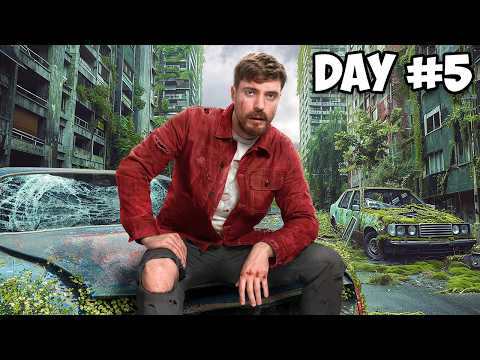
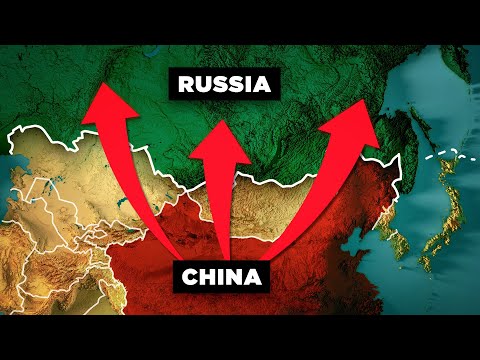
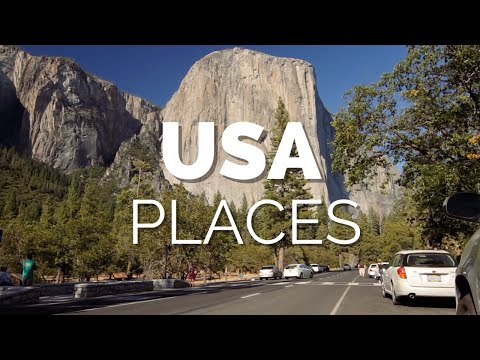
 ドキュメンタリー
 ✓ 生成済み
動画や参考素材から、VidiaFlowがチャンネルに合ったサムネイルを作成し、それに続くコンテンツも準備します。
毎月5本・カード不要・登録後もURLを保持
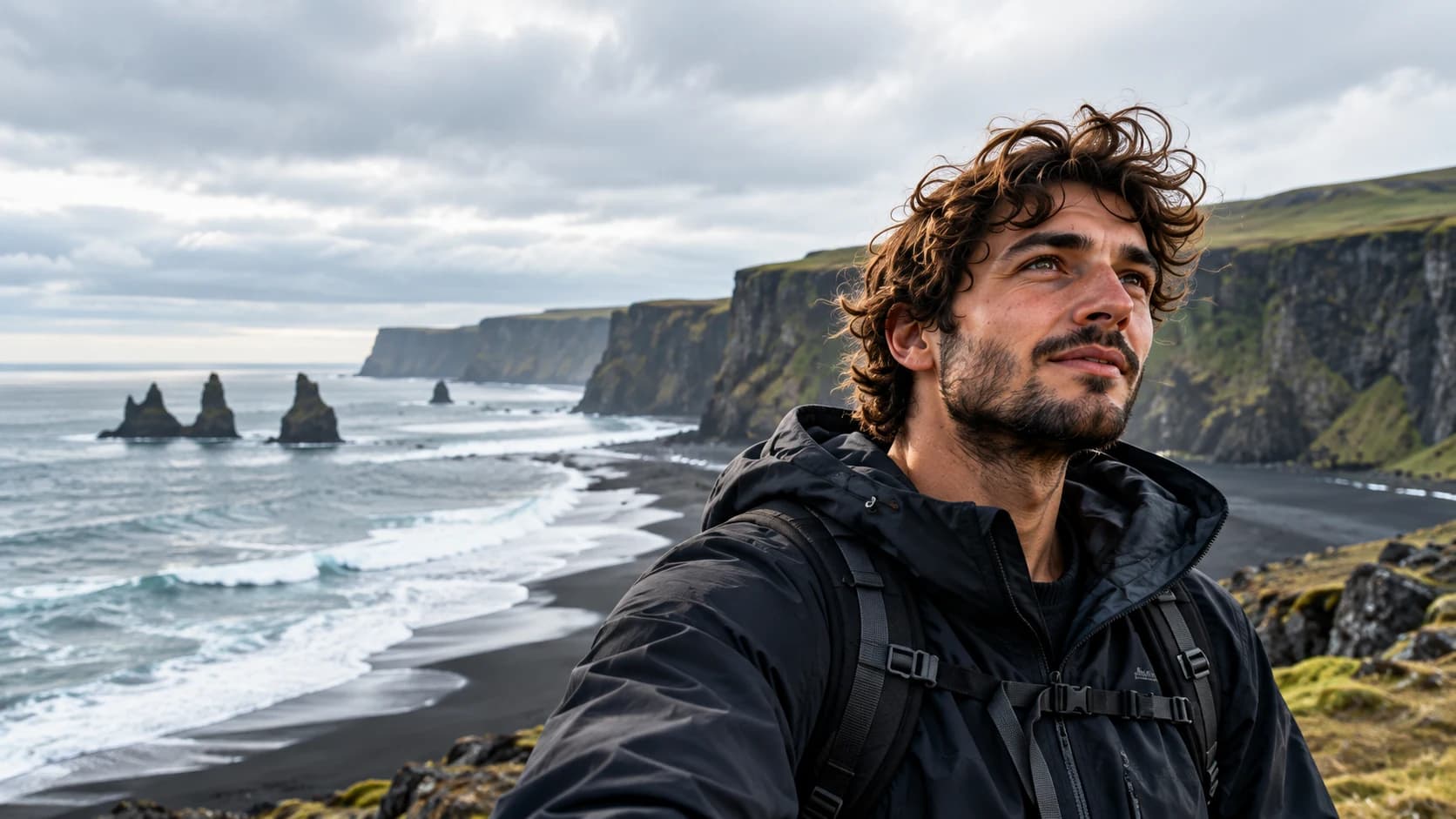

一流のスタイル。 あなたの顔。
ドキュメンタリー✓ 生成済み マネー
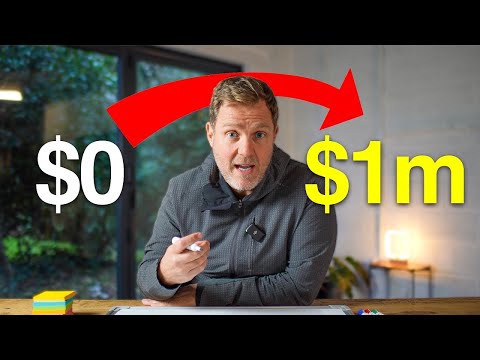
マネー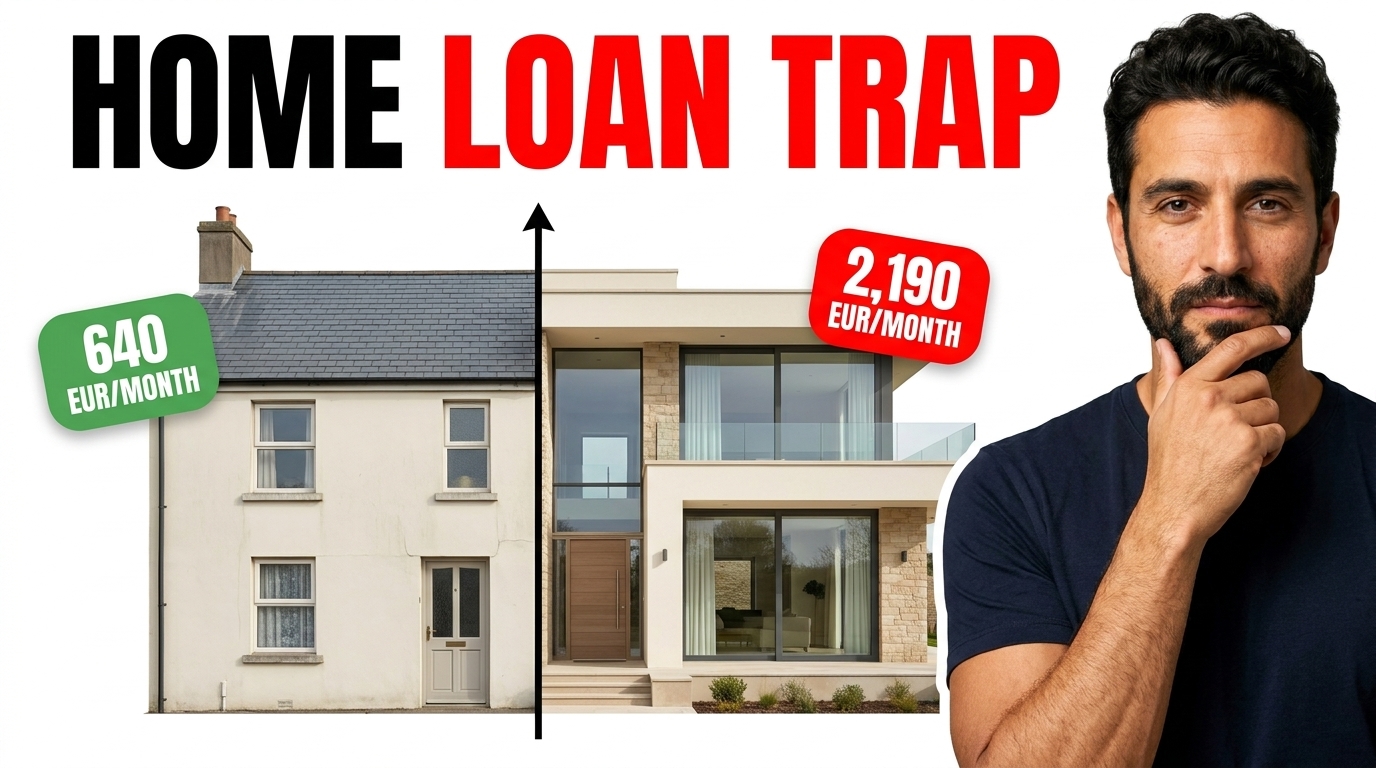 ✓ 生成済み
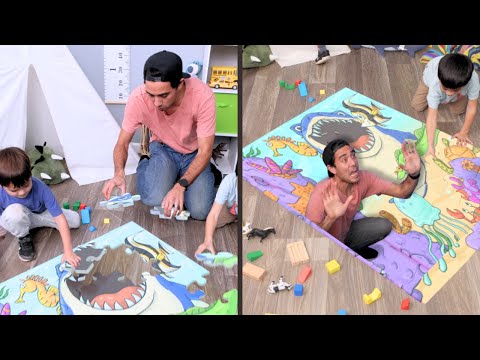
 テック / AI
 ✓ 生成済み
 アート
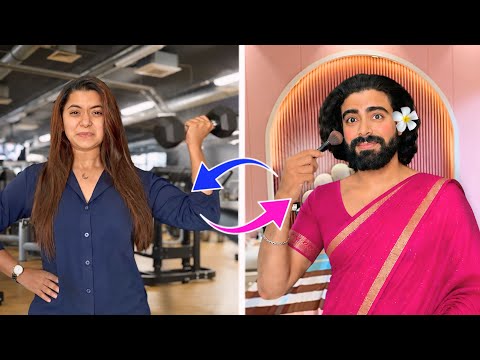
アート ✓ 生成済み
一流クリエイターの何千もの参考から、あなた自身のサムネイルを生成。
VidiaFlowはその成果を公開用キットに変えます。目を引くサムネイル、試せるタイトル、動画の広がりを支えるコンテンツをまとめて準備します。
YouTubeのURLを貼るか、ライブラリから参考素材を選びます。
サムネイル、タイトル、要約、記事、スクリプト、投稿、SEOを同じ動画のもとにまとめます。
履歴に戻り、お気に入りを残し、すでにあるものから次を始めます。
サムネイル、タイトル、要約、記事、スクリプト、投稿、SEOを一か所にまとめて保管します。
実在する参考素材から始め、写真を追加し、複数案を比べてから選べます。
要約、記事、スクリプト、投稿、タイトル、SEOを一か所にまとめて保管します。
動画、お気に入り、参考素材を見つけ直し、白紙からやり直さずに済みます。
複数のタイトル、構成済みの説明文、タグ、チャプターを用意し、公開前に確認できます。
ワークフロー全体を作り直すことなく、対応言語に合わせて制作物を調整できます。
タイトルとサムネイルを組み合わせ、見やすさを確認し、YouTubeのネイティブテスト用キットを書き出します。
公開動画からVidiaFlowが実際に生成した内容です。要約、記事、チャプター、タイトル、説明文、タグが含まれます。

Portland International Airport is becoming an American showcase for mass timber, biophilic design and earthquake-ready engineering.
Portland International Airport is becoming an American showcase for mass timber, biophilic design and earthquake-ready engineering.
Portland International Airport (PDX), in Oregon, has completed the first phase of a modernization costing more than $2 billion—the largest public-works project in the state. The new terminal aims to move beyond the functional but unremarkable image of many American airports by drawing directly on Pacific Northwest forests. Its vast local mass-timber roof, thousands of plants and natural light create a calmer, more distinctive passenger experience. The build also presented a major logistics challenge: the airport stayed open, handling roughly 500 daily flights throughout the work.
PDX shows that an airport can be welcoming, rooted in its territory and designed to reduce environmental impact without compromising technical constraints. Its second phase, expected in late 2025, adds shops, restaurants and waiting areas while completing the transformation.
This video is for architecture, engineering and major-infrastructure enthusiasts, as well as travelers curious about the future of airports. It is particularly relevant to professionals and students interested in sustainable construction, mass timber and seismic design.
An airport can be efficient without being memorable. It can move millions of passengers, multiply security checks and line up boarding gates without ever making anyone want to spend one extra minute there. Portland International Airport—better known as PDX—takes the opposite approach.
An airport can be efficient without being memorable. It can move millions of passengers, multiply security checks and line up boarding gates without ever making anyone want to spend one extra minute there. Portland International Airport—better known as PDX—takes the opposite approach.
With its vast timber ceiling, thousands of plants and natural light, Portland’s new airport is not only trying to make travel flow better. It wants passengers to feel Oregon from their first minutes inside. The result feels less like a conventional terminal than a walk beneath a canopy, combining biophilic design, seismic engineering and an extraordinary construction project.
This transformation is far more than a cosmetic renovation. PDX has become a case study for American airports: a place that can be beautiful, local, resilient and designed around travelers.
Portland International Airport was not a bad airport. It was even one of the better-regarded American airports for accessibility and for being less stressful than major national hubs. But its main terminal dated from 1956, and nearly seventy years of additions had made each new evolution more difficult.
Over time, the site spread across eleven separate buildings. Each part followed different structural and seismic standards. Modernizing security, enlarging spaces or changing passenger flows had become a technical puzzle.
The modernization, estimated at more than $2 billion, therefore had to solve several problems at once:
The first striking image inside the new terminal is its ceiling. A huge timber lattice covers roughly nine acres—more than 36,000 m². It gives the building unusual depth and turns a check-in area into something close to a landscape.
That monumental ceiling uses nearly 600,000 board feet of Douglas fir, an emblematic Pacific Northwest species. The material came from eleven forests within about 300 miles of the airport.
The local choice was not incidental. It took around six years to build a supply chain able to provide the necessary timber. At a time when major projects often source the cheapest material from the other side of the world, Portland prioritized a regional resource and the know-how around it.
The project’s beauty conceals a much harder reality: PDX remained open throughout construction. The airport had to keep handling about 500 flights a day while much of its terminal was demolished, rebuilt and reorganized.
The roof presented an even more spectacular challenge. Rather than build it entirely above an active terminal, teams prefabricated it on part of the airfield converted into a work zone. The structure was assembled in three giant sections made of 18 elements.
Each element weighed between 270,000 and 635,000 kilograms. The largest measured more than 40 by 60 metres. The sections then moved about a mile at around 1 mph, limiting disruption to the terminal and protecting timber from bad weather.
PDX’s new roof was designed to move in a controlled way. It sits on Y-shaped columns with friction-pendulum isolators. Those devices allow the structure to shift in an earthquake while absorbing part of the forces; the roof can move by up to roughly 56 centimetres.
PDX achieves an unusual balance: architecture that looks light, yet an infrastructure designed to absorb extreme constraints.
Its terminal combines a large timber structure, abundant planting, carefully integrated daylight and earthquake-ready engineering. More importantly, it proves that an ambitious renovation can happen on a living site without shutting the airport down.
PDX will not solve delays, security checks or the unpredictability of air travel. But it makes waiting less painful and offers an intriguing direction for airport architecture: more local, more human and more sustainable places.
YouTubeリンクを貼り付けて、自分の動画で始めましょう。
自分の動画で試すタイトルとサムネイルの組み合わせを最大3つ用意し、視覚的な効果を比べ、YouTube Studioで実際の同時テストを開始できます。
Packaging Lab
1ドルから1億ドルへ
 A
A組み合わせるタイトル
1ドルの賭け
 B
B組み合わせるタイトル
1ドルから1億ドルへ
YouTubeのネイティブ「テスト&比較」に対応
ZIP · PNG · TXTURLを今貼り付けてください。無料アカウントの作成後、VidiaFlow は中断した場所からそのまま再開します。
カード不要・毎月5本・登録後もURLを保持
1枚あたり13セント。
AIサムネイル 月最大706枚 — 専用ツール並み、しかもVidiaFlowの全機能つき。
公開のリズム
自分のワークフローに近いプロフィールを選んでください。
毎週公開するなら、Pro が最初のペースをカバーします。公開量が増えた場合は Studio が最も選ばれています。
すでにツールを比較していますか?
強み、制約、用途は料金の後にも確認できます。プラン選びを妨げません。
Billel Abbas · 創業者・プロダクト開発者
VidiaFlow はパリ近郊で Billel Abbas が開発・運営しています。初期クリエイターからのフィードバックは、中間層なしに製品の優先順位へ直接反映されます。
上に示したサムネイルは製品からのものです。確認・許可済みの推薦文が得られるまでは、作り話ではなく実際の結果を示します。
フランス語で人が対応します。直接のフィードバックが製品改善につながります。
始める前に知っておきたいこと。