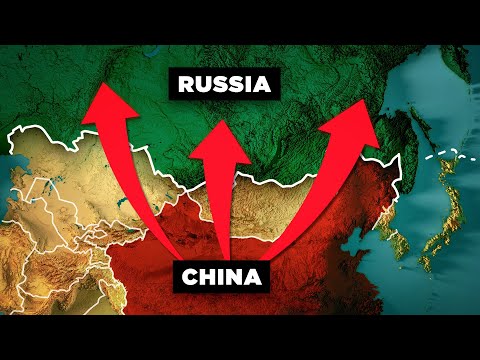
 Documentário
 ✓ Gerada
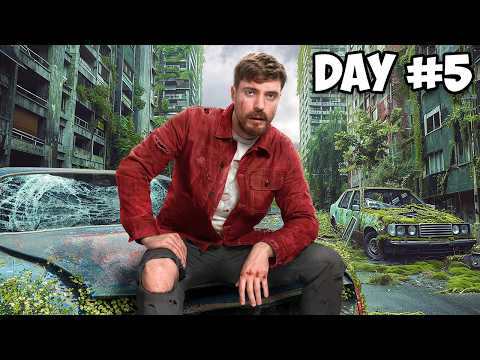
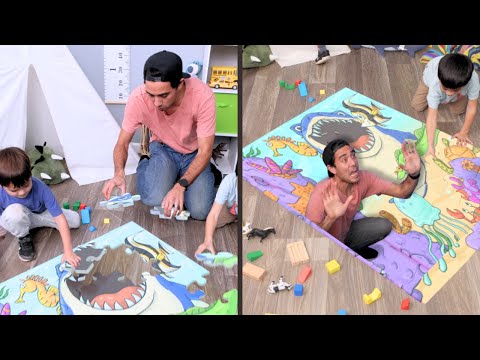
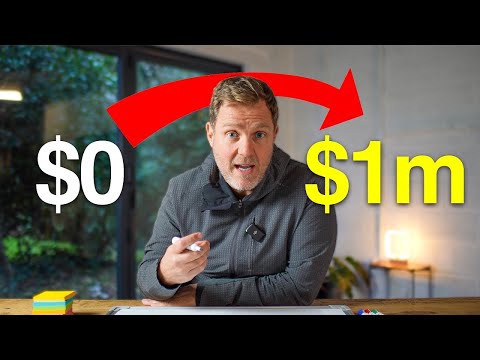
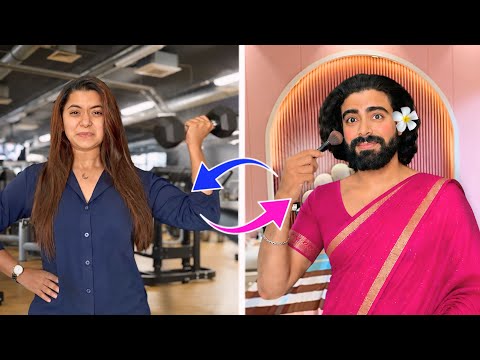
A partir do seu vídeo ou de uma referência, o VidiaFlow cria uma miniatura que combina com seu canal e prepara o conteúdo que a acompanha.
5 vídeos por mês · sem cartão · sua URL fica salva após o cadastro


O estilo deles. O seu rosto.
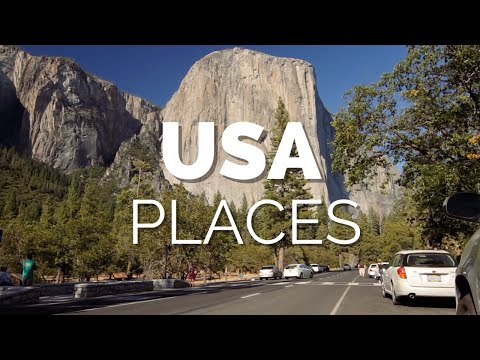
Documentário✓ Gerada Finanças
 ✓ Gerada
 Tech / IA
 ✓ Gerada
 Artística
 ✓ Gerada
Inspire-se em milhares de referências de criadores de elite para gerar as suas.
O VidiaFlow transforma esse trabalho em um kit pronto para publicar: uma miniatura que chama a atenção, títulos para testar e conteúdos que ampliam o alcance do seu vídeo.
Cole uma URL do YouTube ou escolha uma inspiração na biblioteca.
Miniatura, títulos, resumo, artigo, roteiros, posts e SEO ficam reunidos em torno do mesmo vídeo.
Volte ao seu histórico, guarde seus favoritos e parta do que já existe.
Miniatura, títulos, resumo, artigo, roteiros, posts e SEO ficam reunidos no mesmo lugar.
Parta de uma referência real, adicione suas fotos e compare várias opções antes de escolher.
Resumos, artigos, roteiros, posts, títulos e SEO ficam reunidos no mesmo lugar.
Encontre seus vídeos, favoritos e inspirações sem recomeçar de uma página em branco.
Prepare vários títulos, uma descrição estruturada, tags e capítulos para revisar antes da publicação.
Adapte suas produções aos idiomas disponíveis sem reconstruir todo o seu fluxo de trabalho.
Combine títulos e miniaturas, confira a clareza visual e exporte um kit pronto para o teste nativo do YouTube.
Veja o que o VidiaFlow realmente gerou a partir de um vídeo público: resumo, artigo, capítulos, títulos, descrição e tags.

Portland International Airport is becoming an American showcase for mass timber, biophilic design and earthquake-ready engineering.
Portland International Airport is becoming an American showcase for mass timber, biophilic design and earthquake-ready engineering.
Portland International Airport (PDX), in Oregon, has completed the first phase of a modernization costing more than $2 billion—the largest public-works project in the state. The new terminal aims to move beyond the functional but unremarkable image of many American airports by drawing directly on Pacific Northwest forests. Its vast local mass-timber roof, thousands of plants and natural light create a calmer, more distinctive passenger experience. The build also presented a major logistics challenge: the airport stayed open, handling roughly 500 daily flights throughout the work.
PDX shows that an airport can be welcoming, rooted in its territory and designed to reduce environmental impact without compromising technical constraints. Its second phase, expected in late 2025, adds shops, restaurants and waiting areas while completing the transformation.
This video is for architecture, engineering and major-infrastructure enthusiasts, as well as travelers curious about the future of airports. It is particularly relevant to professionals and students interested in sustainable construction, mass timber and seismic design.
An airport can be efficient without being memorable. It can move millions of passengers, multiply security checks and line up boarding gates without ever making anyone want to spend one extra minute there. Portland International Airport—better known as PDX—takes the opposite approach.
An airport can be efficient without being memorable. It can move millions of passengers, multiply security checks and line up boarding gates without ever making anyone want to spend one extra minute there. Portland International Airport—better known as PDX—takes the opposite approach.
With its vast timber ceiling, thousands of plants and natural light, Portland’s new airport is not only trying to make travel flow better. It wants passengers to feel Oregon from their first minutes inside. The result feels less like a conventional terminal than a walk beneath a canopy, combining biophilic design, seismic engineering and an extraordinary construction project.
This transformation is far more than a cosmetic renovation. PDX has become a case study for American airports: a place that can be beautiful, local, resilient and designed around travelers.
Portland International Airport was not a bad airport. It was even one of the better-regarded American airports for accessibility and for being less stressful than major national hubs. But its main terminal dated from 1956, and nearly seventy years of additions had made each new evolution more difficult.
Over time, the site spread across eleven separate buildings. Each part followed different structural and seismic standards. Modernizing security, enlarging spaces or changing passenger flows had become a technical puzzle.
The modernization, estimated at more than $2 billion, therefore had to solve several problems at once:
The first striking image inside the new terminal is its ceiling. A huge timber lattice covers roughly nine acres—more than 36,000 m². It gives the building unusual depth and turns a check-in area into something close to a landscape.
That monumental ceiling uses nearly 600,000 board feet of Douglas fir, an emblematic Pacific Northwest species. The material came from eleven forests within about 300 miles of the airport.
The local choice was not incidental. It took around six years to build a supply chain able to provide the necessary timber. At a time when major projects often source the cheapest material from the other side of the world, Portland prioritized a regional resource and the know-how around it.
The project’s beauty conceals a much harder reality: PDX remained open throughout construction. The airport had to keep handling about 500 flights a day while much of its terminal was demolished, rebuilt and reorganized.
The roof presented an even more spectacular challenge. Rather than build it entirely above an active terminal, teams prefabricated it on part of the airfield converted into a work zone. The structure was assembled in three giant sections made of 18 elements.
Each element weighed between 270,000 and 635,000 kilograms. The largest measured more than 40 by 60 metres. The sections then moved about a mile at around 1 mph, limiting disruption to the terminal and protecting timber from bad weather.
PDX’s new roof was designed to move in a controlled way. It sits on Y-shaped columns with friction-pendulum isolators. Those devices allow the structure to shift in an earthquake while absorbing part of the forces; the roof can move by up to roughly 56 centimetres.
PDX achieves an unusual balance: architecture that looks light, yet an infrastructure designed to absorb extreme constraints.
Its terminal combines a large timber structure, abundant planting, carefully integrated daylight and earthquake-ready engineering. More importantly, it proves that an ambitious renovation can happen on a living site without shutting the airport down.
PDX will not solve delays, security checks or the unpredictability of air travel. But it makes waiting less painful and offers an intriguing direction for airport architecture: more local, more human and more sustainable places.
Cole seu link do YouTube para começar com seu próprio vídeo.
Experimentar com meu vídeoPrepare até três pacotes de título + miniatura, compare o impacto visual e rode um teste simultâneo real no YouTube Studio.
Packaging Lab
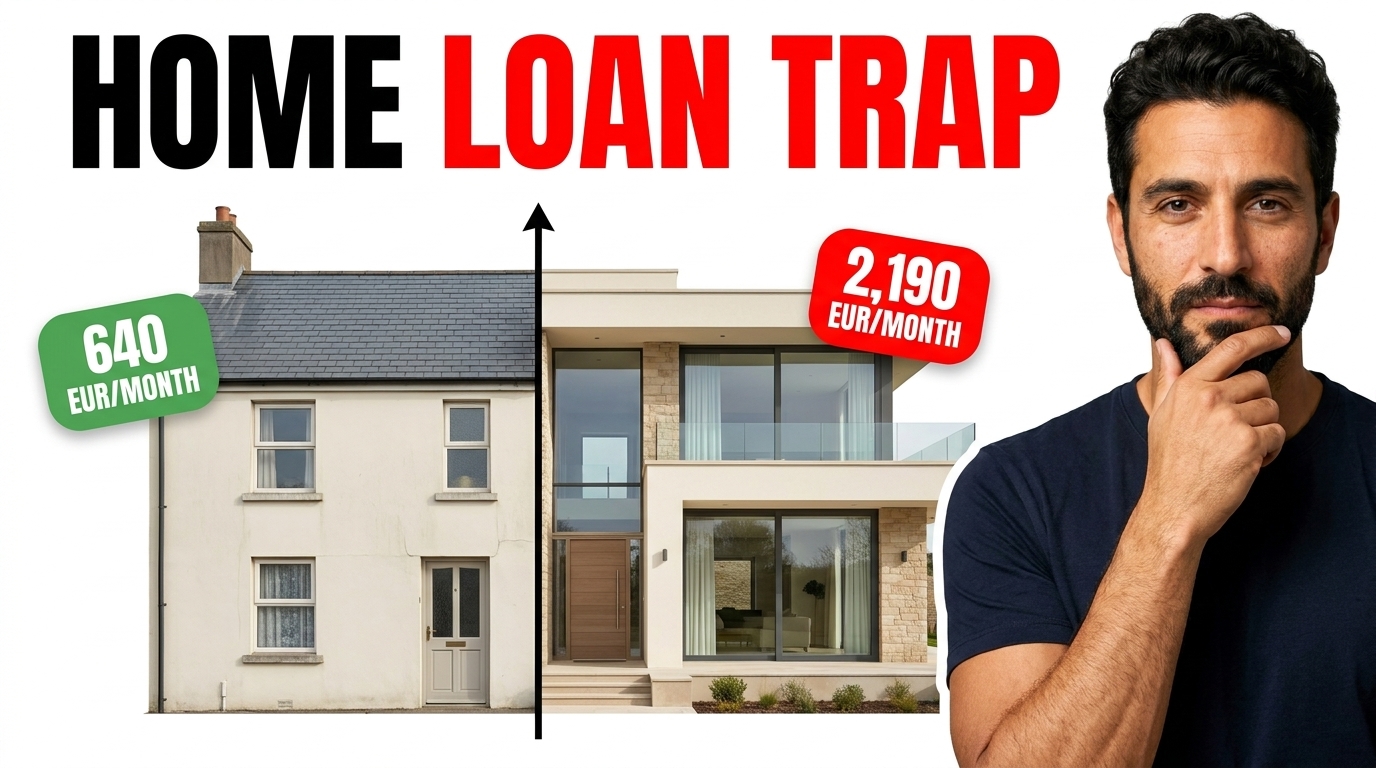
De R$ 1 a R$ 100 mi
 A
ATítulo associado
A aposta de R$ 1
 B
BTítulo associado
De R$ 1 a R$ 100 mi
Pronto para o Test & Compare nativo do YouTube
ZIP · PNG · TXTCole a URL agora. Depois de criar sua conta gratuita, o VidiaFlow retoma exatamente de onde você parou.
Sem cartão · 5 vídeos por mês · sua URL é mantida após o cadastro
13 centavos por thumbnail.
Até 706 thumbnails IA/mês — no nível das ferramentas dedicadas, e toda a suíte VidiaFlow além disso.
Seu ritmo de publicação
Escolha o perfil mais próximo do seu fluxo de trabalho.
Para publicar toda semana, o Pro cobre o volume inicial. O Studio continua sendo o plano mais escolhido se seu volume crescer.
Já está comparando ferramentas?
Forças, limites e casos de uso continuam disponíveis depois dos preços, sem interromper sua escolha de plano.
Billel Abbas · Fundador e criador
O VidiaFlow é criado e mantido na região de Paris por Billel Abbas. O feedback dos primeiros criadores orienta diretamente as prioridades do produto, sem camada intermediária.
As miniaturas mostradas acima vêm do produto. Até termos depoimentos verificados e autorizados, preferimos mostrar resultados reais a inventá-los.
Suporte humano em francês: feedback direto ajuda a evoluir o produto.
O essencial antes de começar.
Crie a miniatura e o kit que a acompanha. Encontre tudo no mesmo lugar quando chegar a próxima publicação.