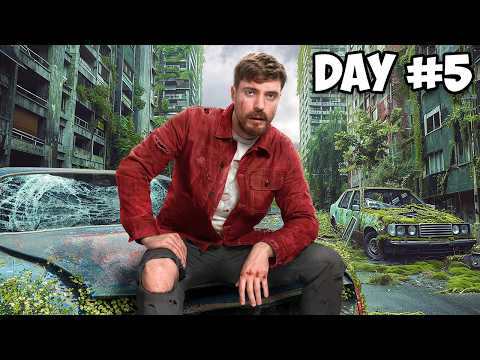
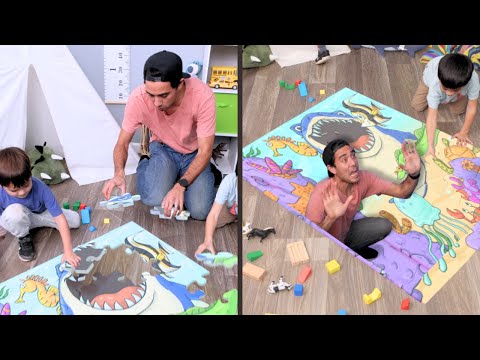
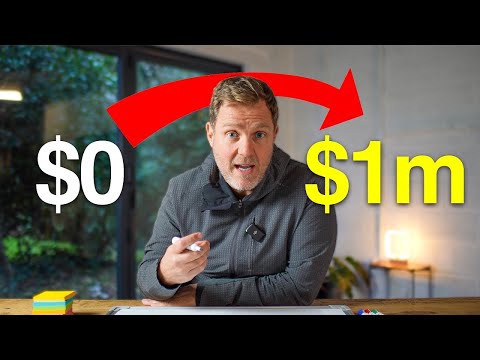
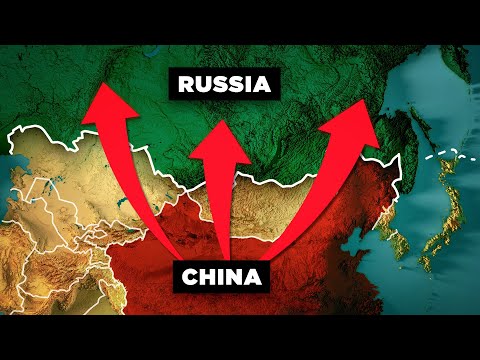
 纪实
纪实 ✓ 已生成
✓ 已生成VidiaFlow 根据你的视频或参考素材,制作符合频道风格的缩略图,并准备配套内容。
每月 5 条视频 · 无需信用卡 · 注册后保留你的链接


他们的风格。 你的脸。
纪实✓ 已生成 财经
财经 ✓ 已生成
✓ 已生成 科技 / AI
 ✓ 已生成
✓ 已生成 艺术
艺术 ✓ 已生成
✓ 已生成从数千个精英创作者的参考中获取灵感,生成你自己的缩略图。
VidiaFlow 会把这份工作转化为可发布的内容套件:吸引目光的缩略图、可供测试的标题,以及帮助视频扩大影响力的内容。
粘贴 YouTube URL,或从资料库中选择灵感。
缩略图、标题、摘要、文章、脚本、帖子和 SEO 都围绕同一条视频集中保存。
回到历史记录,保留收藏,并从已有内容继续开始。
缩略图、标题、摘要、文章、脚本、帖子和 SEO 都集中在同一处。
从真实参考内容出发,添加你的照片,并在选择前比较多个版本。
摘要、文章、脚本、帖子、标题和 SEO 都集中在同一处。
随时找回视频、收藏和灵感,不必从空白页重新开始。
准备多个标题、结构化描述、标签和章节,并在发布前逐一检查。
无需重建整个工作流程,即可将产出调整为受支持的语言。
组合标题与缩略图,检查视觉清晰度,并导出可用于 YouTube 原生测试的素材包。
以下是 VidiaFlow 根据一条公开视频实际生成的内容:摘要、文章、章节、标题、描述和标签。

Portland International Airport is becoming an American showcase for mass timber, biophilic design and earthquake-ready engineering.
Portland International Airport is becoming an American showcase for mass timber, biophilic design and earthquake-ready engineering.
Portland International Airport (PDX), in Oregon, has completed the first phase of a modernization costing more than $2 billion—the largest public-works project in the state. The new terminal aims to move beyond the functional but unremarkable image of many American airports by drawing directly on Pacific Northwest forests. Its vast local mass-timber roof, thousands of plants and natural light create a calmer, more distinctive passenger experience. The build also presented a major logistics challenge: the airport stayed open, handling roughly 500 daily flights throughout the work.
PDX shows that an airport can be welcoming, rooted in its territory and designed to reduce environmental impact without compromising technical constraints. Its second phase, expected in late 2025, adds shops, restaurants and waiting areas while completing the transformation.
This video is for architecture, engineering and major-infrastructure enthusiasts, as well as travelers curious about the future of airports. It is particularly relevant to professionals and students interested in sustainable construction, mass timber and seismic design.
An airport can be efficient without being memorable. It can move millions of passengers, multiply security checks and line up boarding gates without ever making anyone want to spend one extra minute there. Portland International Airport—better known as PDX—takes the opposite approach.
An airport can be efficient without being memorable. It can move millions of passengers, multiply security checks and line up boarding gates without ever making anyone want to spend one extra minute there. Portland International Airport—better known as PDX—takes the opposite approach.
With its vast timber ceiling, thousands of plants and natural light, Portland’s new airport is not only trying to make travel flow better. It wants passengers to feel Oregon from their first minutes inside. The result feels less like a conventional terminal than a walk beneath a canopy, combining biophilic design, seismic engineering and an extraordinary construction project.
This transformation is far more than a cosmetic renovation. PDX has become a case study for American airports: a place that can be beautiful, local, resilient and designed around travelers.
Portland International Airport was not a bad airport. It was even one of the better-regarded American airports for accessibility and for being less stressful than major national hubs. But its main terminal dated from 1956, and nearly seventy years of additions had made each new evolution more difficult.
Over time, the site spread across eleven separate buildings. Each part followed different structural and seismic standards. Modernizing security, enlarging spaces or changing passenger flows had become a technical puzzle.
The modernization, estimated at more than $2 billion, therefore had to solve several problems at once:
The first striking image inside the new terminal is its ceiling. A huge timber lattice covers roughly nine acres—more than 36,000 m². It gives the building unusual depth and turns a check-in area into something close to a landscape.
That monumental ceiling uses nearly 600,000 board feet of Douglas fir, an emblematic Pacific Northwest species. The material came from eleven forests within about 300 miles of the airport.
The local choice was not incidental. It took around six years to build a supply chain able to provide the necessary timber. At a time when major projects often source the cheapest material from the other side of the world, Portland prioritized a regional resource and the know-how around it.
The project’s beauty conceals a much harder reality: PDX remained open throughout construction. The airport had to keep handling about 500 flights a day while much of its terminal was demolished, rebuilt and reorganized.
The roof presented an even more spectacular challenge. Rather than build it entirely above an active terminal, teams prefabricated it on part of the airfield converted into a work zone. The structure was assembled in three giant sections made of 18 elements.
Each element weighed between 270,000 and 635,000 kilograms. The largest measured more than 40 by 60 metres. The sections then moved about a mile at around 1 mph, limiting disruption to the terminal and protecting timber from bad weather.
PDX’s new roof was designed to move in a controlled way. It sits on Y-shaped columns with friction-pendulum isolators. Those devices allow the structure to shift in an earthquake while absorbing part of the forces; the roof can move by up to roughly 56 centimetres.
PDX achieves an unusual balance: architecture that looks light, yet an infrastructure designed to absorb extreme constraints.
Its terminal combines a large timber structure, abundant planting, carefully integrated daylight and earthquake-ready engineering. More importantly, it proves that an ambitious renovation can happen on a living site without shutting the airport down.
PDX will not solve delays, security checks or the unpredictability of air travel. But it makes waiting less painful and offers an intriguing direction for airport architecture: more local, more human and more sustainable places.
粘贴你的 YouTube 链接,用自己的视频开始。
用我的视频试用准备最多三组标题 + 缩略图,比较视觉效果,并在 YouTube Studio 中运行真正的同步测试。
Packaging Lab
从 1 美元到 1 亿美元
 A
A搭配标题
1 美元的赌注
 B
B搭配标题
从 1 美元到 1 亿美元
已准备好用于 YouTube 原生测试与比较
ZIP · PNG · TXT现在粘贴链接。创建免费账户后,VidiaFlow 会从你停下的位置继续。
无需信用卡 · 每月 5 条视频 · 注册后会保留你的链接
每张缩略图 13 美分。
每月最多 706 张 AI 缩略图 — 媲美专用工具,还附带 VidiaFlow 全套功能。
你的发布节奏
请选择最接近你工作流程的档案。
如果每周发布,Pro 覆盖起步所需的容量。发布量增加时,Studio 仍是最受欢迎的套餐。
正在比较工具吗?
优势、限制和适用场景会在价格之后保留,不会打断你的套餐选择。
Billel Abbas · 创始人与产品构建者
VidiaFlow 由 Billel Abbas 在巴黎地区开发和维护。早期创作者的反馈会直接影响产品优先级,没有中间层。
上方展示的缩略图来自产品本身。在拥有经过验证并获授权的推荐之前,我们更愿意展示真实结果,而不是编造它们。
提供法语人工支持:直接反馈有助于持续改进产品。
开始前需要了解的要点。